BSDS: Bipolar 1 vs. Bipolar 2 - Key Differences Explained
Navigating the world of mental health can feel like trying to read a map in a foreign language. Terms like bipolar disorder are often used, but the nuances between its different forms can be confusing. Many people wonder, what is the difference between bipolar 1 and 2? Understanding this distinction is not just academic; it's a crucial step toward clarity, effective communication with healthcare providers, and finding the right path forward. The Bipolar Spectrum Diagnostic Scale (BSDS) is a tool designed to help bring some of that clarity.
If you've ever felt that your moods shift between extreme highs and lows, you are not alone. These experiences can be disorienting, and getting a preliminary understanding of where your symptoms might fall on the bipolar spectrum is a powerful first step. To begin exploring your own experiences in a private and secure way, you can get clarity with our BSDS self-assessment today.
Understanding Bipolar Disorder Types
Before diving into the specifics of Bipolar I and Bipolar II, grasping the broader concept they belong to is helpful. Bipolar disorder isn't a single, one-size-fits-all condition. Instead, it exists on a continuum, which is why experts often refer to the bipolar spectrum. This perspective helps acknowledge the wide range of symptoms and severity that individuals can experience.
To understand the different types, focus on the presence and intensity of specific mood episodes, primarily mania, hypomania, and depression. Acknowledging these differences is vital, as they can significantly impact an individual's life and require different management strategies and treatments.
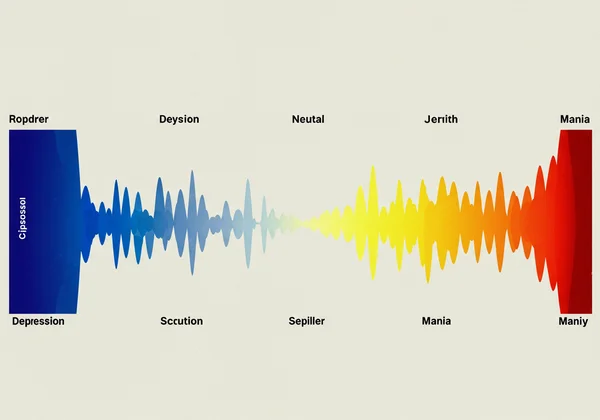
What Defines the Bipolar Spectrum?
The bipolar spectrum is a concept that includes not only Bipolar I and Bipolar II but also other related mood disorders that don't fit neatly into those categories. It recognizes that mood shifts can vary greatly from person to person. Some may experience intense, debilitating episodes, while others have subtler, yet still disruptive, changes in mood and energy. A screening tool like a mood disorder questionnaire helps identify patterns that may suggest a place on this spectrum, providing a valuable starting point for a conversation with a professional.
Why Distinguish Between Types?
Distinguishing between Bipolar I and Bipolar II is critical for several reasons. Firstly, the treatment approaches can differ. While both often involve mood stabilizers, the specific medication and therapeutic strategies may be tailored to the type and severity of mood episodes. Secondly, the impact on a person's life varies. A full manic episode, characteristic of Bipolar I, often leads to more severe functional impairment than the hypomania seen in Bipolar II. Understanding your specific experiences helps in developing coping mechanisms and support systems that work for you.
Bipolar 1 vs. Bipolar 2: The Core Distinctions
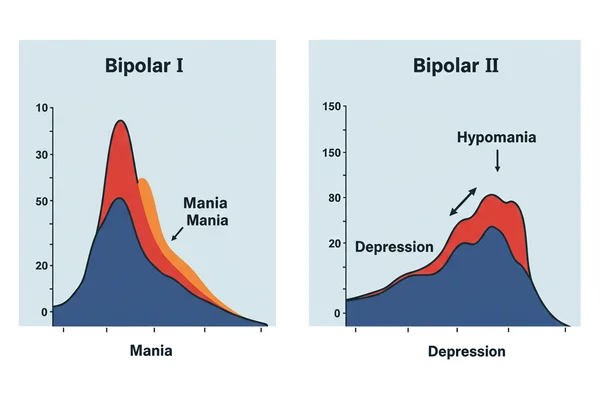
The fundamental difference between Bipolar I and Bipolar II disorder lies in the severity of the elevated mood episodes. While both involve significant mood swings that include depressive lows, the nature of the "highs" separates them. This distinction is the cornerstone of diagnosis.
If you're trying to make sense of your own mood patterns, a structured approach can be incredibly helpful. You can start your BSDS self-assessment to gain preliminary insights into your symptoms.
Deciphering Bipolar I Disorder
Bipolar I Disorder is defined by the presence of at least one manic episode. This is the key diagnostic criterion. A manic episode is a period of abnormally and persistently elevated, expansive, or irritable mood and increased energy, lasting at least one week and present most of the day, nearly every day.
The symptoms during a manic episode are severe enough to cause significant impairment in social, occupational, or other important areas of functioning. In some cases, hospitalization is necessary to ensure safety, or the episode may include psychotic features like hallucinations or delusions. While individuals with Bipolar I also experience depressive episodes, the presence of a full manic episode is what defines the diagnosis.
Exploring Bipolar II Disorder
Bipolar II Disorder is characterized by a pattern of depressive episodes and hypomanic episodes, but not the full-blown manic episodes seen in Bipolar I. A hypomanic episode has symptoms similar to a manic episode but is less severe. It must last at least four consecutive days and be noticeable to others, but it doesn't cause major impairment in daily life or require hospitalization.
Often, people with Bipolar II seek help during their depressive episodes, as the hypomanic periods may feel productive or even enjoyable. They might not recognize their elevated moods as part of a larger pattern. This is why a comprehensive bsds screening can be so illuminating, as it asks questions that help connect these seemingly separate states.
Navigating Manic and Hypomanic Episodes
Understanding the subjective experience of mania versus hypomania is key to telling Bipolar I and Bipolar II apart. While they share similar symptoms—like increased talkativeness, racing thoughts, and decreased need for sleep—their intensity and impact are worlds apart.
Mania: The Defining Feature of Bipolar I
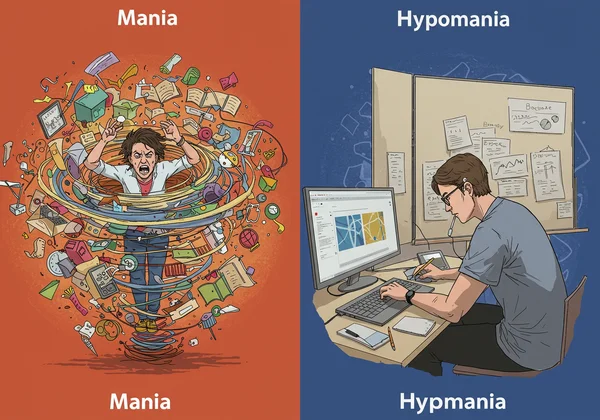
A manic episode is a significant deviation from a person's usual self. It's not just feeling good or having a lot of energy; it's an intense state that can lead to impulsive and risky behaviors, such as reckless spending, gambling, or unsafe sexual encounters. The individual's judgment is often impaired.
The energy level is so high that it can be overwhelming, and the mood, while sometimes euphoric, can quickly turn to extreme irritability and agitation. This severity is the hallmark of Bipolar I and a primary reason why a clear diagnosis is essential for safety and stability.
Hypomania: The Understated Experience of Bipolar II
Hypomania is a less intense version of mania. During a hypomanic episode, a person might feel unusually energetic, creative, and productive. They may sleep less but not feel tired. To an outside observer, they might just seem to be in a particularly good mood or "on a roll."
However, while hypomania doesn't cause the major life disruption of mania, it is still a departure from a person's normal state and is part of the cyclical nature of Bipolar II. Often, it is followed by a crash into a major depressive episode, which can be severe and long-lasting. Recognizing hypomania is a critical part of understanding the complete picture of Bipolar II.
The Bipolar Spectrum & How BSDS Provides Insights
The concept of a spectrum is empowering because it moves beyond rigid labels. It acknowledges that everyone's experience is unique. This is precisely where the Bipolar Spectrum Diagnostic Scale (BSDS) becomes a valuable resource. It helps capture the subtleties of mood experiences that might indicate a bipolar spectrum condition.
Beyond Labels: Recognizing the Broader Spectrum
Thinking in terms of a spectrum helps reduce stigma and encourages a more holistic view of mental health. It allows for the recognition of symptoms that may not meet the strict criteria for Bipolar I or II but are still causing significant distress. This nuanced view is essential for self-understanding and for having productive conversations with healthcare professionals. The journey to understanding your mental health often begins with a single step, like taking a free BSDS screening.
How BSDS Illuminates the Spectrum for You
The BSDS is a scientifically validated self-assessment questionnaire that helps identify key symptoms and experiences associated with the bipolar spectrum. It asks about your personal history with mood swings, energy shifts, and thought patterns in a structured way. The bsds self-assessment isn't a diagnostic tool, but it provides a personalized score that can highlight potential areas of concern.
By completing the assessment on a platform like our BSDS online tool, you receive a confidential report that can serve as a bridge to a professional consultation. It gives you the language and a structured summary of your experiences to share with a doctor or therapist, making that first conversation much easier.
Empowering Yourself: What's Next for Understanding Bipolar Symptoms
Understanding the differences between Bipolar I and Bipolar II is vital. This distinction, centered on mania versus hypomania, significantly impacts an individual's life, treatment, and management. Recognizing that these conditions exist on a spectrum can help you make sense of your own unique mood shifts.
Knowledge is power, and the first step toward managing your mental health is understanding it. If this article has resonated with you, consider taking the next step. A tool like the Bipolar Spectrum Diagnostic Scale can provide valuable, private insights.
Ready to gain a clearer picture? Take our BSDS test today. It’s free, confidential, and a brave first step on your journey to well-being.
Frequently Asked Questions About Bipolar Types & BSDS
How accurate is the BSDS test for identifying bipolar spectrum symptoms?
The Bipolar Spectrum Diagnostic Scale (BSDS) is a well-validated screening tool with demonstrated sensitivity for detecting bipolar disorder symptoms. However, it is not a diagnostic test. Its purpose is to identify individuals who may benefit from a full clinical evaluation. High accuracy in a screening context means it effectively flags potential issues for professional review.
Is the BSDS a definitive diagnosis for bipolar disorder?
No, absolutely not. The BSDS is a screening tool, not a diagnostic instrument. A definitive diagnosis for bipolar disorder can only be made by a qualified healthcare professional, such as a psychiatrist or psychologist, after a comprehensive evaluation that includes a clinical interview and a review of your personal and family medical history. The results from our confidential BSDS assessment are a starting point for that conversation.
What are the general signs of bipolar disorder to look out for?
General signs include dramatic and unpredictable mood swings. These can range from periods of intense energy, euphoria, or irritability (mania or hypomania) to periods of deep sadness, hopelessness, and low energy (depression). Other signs include changes in sleep patterns, activity levels, thoughts, and behavior that are a distinct departure from your normal self.
Can a test distinguish bipolar depression from unipolar depression?
This is a key challenge in mental health. While the depressive episodes themselves can feel identical, a screening tool like the BSDS helps by specifically asking about past or present experiences of elevated mood (mania or hypomania). The presence of these "highs" is the primary factor that distinguishes bipolar depression from unipolar depression, and the BSDS is designed to uncover those experiences.