Demystifying BSDS: Your Bipolar Screening Questions
Ever wondered what truly goes into a mental health screening? For those curious about the Bipolar Spectrum Diagnostic Scale (BSDS), this guide offers unparalleled transparency. We'll demystify the questions, explain their clinical relevance, and show you why understanding the 'why' behind each question can empower your journey toward clarity. What are these questions actually looking for? We believe in the power of an informed self-assessment provided by the Bipolar Spectrum Diagnostic Scale.
What Does the BSDS Ask? Unpacking the Questionnaire
The BSDS isn't a random collection of questions; it's a carefully structured tool designed to explore specific patterns of experience associated with the bipolar spectrum. It moves beyond simple "yes" or "no" queries to build a nuanced picture of your inner world. The goal is to identify shifts in mood, thought, and behavior that might warrant a conversation with a healthcare professional. Let's break down the core areas the questionnaire investigates.
Beyond Mood Swings: Why Energy and Sleep Patterns Matter
One of the most common misconceptions about bipolar disorder is that it's just about "mood swings." While shifts in mood are central, the BSDS probes deeper into the physiological signs that accompany these changes. This is why you'll encounter questions about your energy levels and sleep patterns.
A key indicator of a potential manic or hypomanic episode is a decreased need for sleep while feeling unusually energized. The questions are designed to distinguish this from regular insomnia, where you might be tired but unable to sleep. They explore whether you’ve had periods of feeling "wired," rested on only a few hours of sleep, and more productive or active than usual. Conversely, during depressive episodes, your sleep patterns might shift dramatically in the other direction, leading to oversleeping while still feeling exhausted. These biological markers are crucial for a comprehensive picture.

Identifying Elevated States: Questions on Mania and Hypomania Traits
The BSDS dedicates significant focus to identifying periods of elevated mood and energy, known as mania or its milder form, hypomania. The questions are crafted to uncover experiences that might not seem problematic at first glance—in fact, they can sometimes feel productive or exciting. This is a critical aspect of the bsds test.
You will be asked to reflect on times when you felt unusually optimistic, self-confident, or irritable. The questionnaire will explore whether your thoughts were racing, if you were more talkative than usual, or if you engaged in more goal-directed activities. It also touches on impulsivity, such as spending sprees, reckless decisions, or uncharacteristic behaviors. These questions help map out the "highs" that define the bipolar spectrum, providing context to the emotional shifts you experience.
Exploring Depressive Periods: Questions on Low Mood and Function
To capture the full spectrum, the assessment must also explore the "lows." The BSDS includes questions specifically designed to understand the nature and impact of depressive episodes. These questions go beyond simply feeling sad; they delve into the core symptoms that affect your ability to function and enjoy life.
The questionnaire will ask about periods of persistent low mood, hopelessness, or emptiness. It will probe for a loss of interest or pleasure in activities you once enjoyed, a symptom known as anhedonia. You'll also reflect on changes in appetite or weight, feelings of worthlessness or guilt, and difficulties with concentration or decision-making. By examining these experiences, the free bipolar test helps differentiate the profound lows associated with the bipolar spectrum from ordinary sadness.
The Clinical Reasoning Behind Each BSDS Question Type
Every question in the Bipolar Spectrum Diagnostic Scale is there for a reason, rooted in decades of clinical research and diagnostic criteria. Understanding this reasoning can demystify the process and reinforce the tool's validity. It's not about judgment; it's about data-gathering to help you and a potential healthcare provider understand your experiences better.
Measuring Impact: Why Frequency and Severity are Key
A symptom's existence is only part of the story. Its impact is determined by its frequency and severity. The BSDS is structured to measure this. Instead of asking, "Have you ever felt sad?" it asks you to quantify the experience. How often did it happen? How long did it last? How much did it interfere with your work, relationships, or daily life?
This approach is vital because it separates transient, normal human emotions from persistent patterns that cause significant distress or impairment. A single day of high energy is different from a week-long period of sleepless, frenetic activity that results in negative consequences. By measuring the functional impact of your symptoms, the BSDS provides a more clinically relevant and meaningful preliminary result.
Capturing the Nuances: The Spectrum Approach to Bipolar Disorder
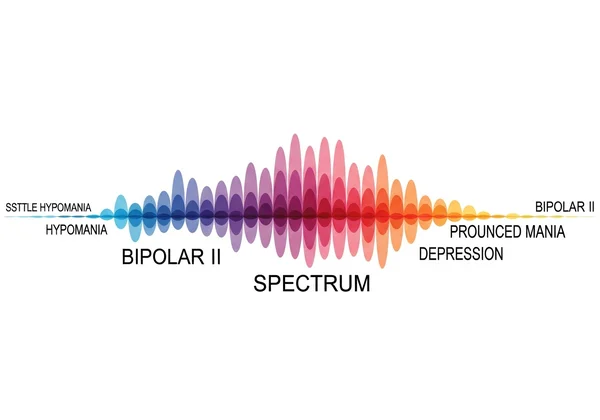
The "S" in BSDS stands for "Spectrum," and this is perhaps its most important feature. Bipolar disorder is not a single, one-size-fits-all condition. It exists along a continuum, from Bipolar I (characterized by full manic episodes) to Bipolar II (hypomanic and major depressive episodes) and other variations. The BSDS is designed to reflect this spectrum approach.
The questions are sensitive enough to pick up on the subtle signs of hypomania, which can often be missed or mistaken for a "good mood" or a productive streak. This nuance is crucial, as many individuals first seek help for depression, unaware that their experiences are part of a broader bipolar pattern. The tool's ability to capture these subtleties makes the bsds self-assessment an excellent starting point for self-reflection.
Understanding Your BSDS Test Journey: Before & After the Assessment
Taking a mental health screening can feel like a significant step. Knowing what to expect before, during, and after can make the process feel less intimidating and more empowering. The journey is about gaining clarity, not receiving a label.
How to Prepare for Your Self-Assessment
To get the most out of the BSDS screening, a little preparation can go a long way. First, find a quiet, private space where you can reflect without interruptions. The goal is to answer honestly, based on your own unique experiences, not what you think is the "right" answer.
Think back over the past several years. The questions are designed to identify patterns over time, so consider your entire adult life. Don't rush; give yourself permission to sit with each question and recall different periods. Remember, this is a tool for you. Your honesty is the key to unlocking meaningful insights, so be gentle with yourself as you start your self-assessment.
Interpreting Preliminary Results and Next Steps
After completing the questionnaire, you will receive a preliminary result based on a standardized scoring system. It is absolutely critical to understand what this result means—and what it doesn't. Your score is an indicator, a piece of information that suggests whether your experiences align with those on the bipolar spectrum.
This is not a medical diagnosis. A formal diagnosis can only be made by a qualified healthcare professional after a comprehensive evaluation. The true value of your BSDS result is as a conversation starter. It provides you with structured information and a validated vocabulary to share with a doctor or therapist. Your next step should be to schedule an appointment to discuss your results and experiences with a professional who can provide a full assessment and guidance.

Your Path to Clarity: Empowering Your Mental Wellness Journey
Understanding the questions behind the Bipolar Spectrum Diagnostic Scale transforms it from a simple quiz into a powerful tool for self-discovery. Each question is a window into the complex interplay of energy, mood, and behavior that defines the bipolar spectrum. By seeing the clinical reasoning, you can approach the screening process with confidence and trust.
Knowledge is the first step toward empowerment. Learning about your own patterns is a proactive and courageous move on your mental wellness journey. You are not alone, and clarity is within reach.
Ready to take the next step with a trusted, confidential tool? Start your free BSDS screening today to gain valuable insights.
Frequently Asked Questions About the BSDS Screening
What is the Bipolar Spectrum Diagnostic Scale (BSDS)?
The Bipolar Spectrum Diagnostic Scale (BSDS) is a scientifically validated screening tool designed to help individuals identify symptoms and experiences that may be associated with bipolar spectrum disorders. It consists of a series of questions about your mood, energy levels, thoughts, and behaviors. It is used for preliminary self-assessment, not for formal diagnosis.
How accurate is the BSDS test for self-screening?
The BSDS has been shown in clinical studies to be a reliable and effective screening tool for detecting the likelihood of a bipolar spectrum condition. Its accuracy lies in its ability to identify key patterns that warrant further investigation. However, its accuracy as a screener does not make it a diagnostic instrument. Think of it as a highly reliable first step, pointing you in the right direction for professional evaluation.
Is the BSDS a definitive diagnosis for bipolar disorder?
No, absolutely not. This is the most important takeaway. The BSDS is a screening questionnaire, not a diagnostic tool. A definitive diagnosis can only be made by a qualified healthcare professional, such as a psychiatrist or psychologist, after a thorough clinical interview and evaluation of your personal and family history. The results from our online tool are meant to be a starting point for that crucial conversation.
What are the common signs of bipolar disorder that the BSDS looks for?
The BSDS looks for hallmark signs of the bipolar spectrum. This includes periods of elevated mood (mania or hypomania) characterized by increased energy, racing thoughts, decreased need for sleep, and impulsivity. It also screens for periods of major depression, characterized by low mood, loss of interest or pleasure, changes in sleep or appetite, and feelings of worthlessness. The key is identifying the cyclical pattern of these distinct mood episodes over time.