Understanding the BSDS: A Clear Guide to the Bipolar Spectrum Diagnostic Scale
We all have shifts in our mood and energy, but sometimes these patterns can feel confusing or overwhelming. If you've wondered whether your emotional highs and lows are more than just 'a bad week,' you've come to the right place for clarity. The BSDS (Bipolar Spectrum Diagnostic Scale) is a tool designed to bring clarity to this confusion. But what is the Bipolar Spectrum Diagnostic Scale (BSDS)? It’s a scientifically validated self-assessment that helps identify traits and experiences common to the bipolar spectrum, offering a crucial first step toward understanding.
This guide will demystify the BSDS, explaining what it is, how it works, and what your results might mean. It’s about empowering you with knowledge so you can take confident, informed steps on your mental wellness journey. If you're ready to gain some insight, you can start your self-assessment at any time.
What is the Bipolar Spectrum Diagnostic Scale?
The Bipolar Spectrum Diagnostic Scale is a respected screening tool used to help identify individuals who may be experiencing symptoms related to the bipolar spectrum. Developed by Dr. Ronald Pies and later refined, it's not a pop quiz or a trendy personality test. Instead, it’s a carefully crafted questionnaire based on clinical research and real-world experience. Think of it as a structured conversation with yourself, guided by questions that mental health professionals find meaningful.
Its primary purpose is to act as a preliminary screening. It helps bridge the gap between wondering if something is wrong and seeking a professional opinion. The BSDS is designed to be sensitive, picking up on the nuanced experiences—like shifts in mood, energy, and thinking—that characterize the bipolar spectrum. By answering questions about your personal history, the tool helps create a picture of your emotional patterns. This is a powerful starting point for self-reflection and a valuable resource to bring to a doctor.
Why a 'Spectrum' Approach Matters
When many people hear "bipolar disorder," they often picture extreme, dramatic mood swings. While that can be one presentation, the reality is far more complex. This is why mental health experts increasingly refer to a "bipolar spectrum." This approach acknowledges that symptoms and experiences can vary widely in type, intensity, and frequency from person to person. It's not a simple on-or-off switch.

The spectrum includes Bipolar I (characterized by at least one manic episode) and Bipolar II (characterized by hypomanic and depressive episodes), but it also includes other variations where symptoms may not fit neatly into these boxes. Some individuals might experience shorter, less intense mood elevations or have mixed episodes with both manic and depressive symptoms at once.
The BSDS is particularly valuable because it was designed with this spectrum in mind. It doesn't just look for classic mania; it asks about a range of experiences, from feeling more creative and energetic than usual to periods of irritability or deep sadness. This nuanced approach helps capture experiences that might otherwise be overlooked, providing a more comprehensive initial screening. It allows you to explore the nuances of your own experience in a structured way.
How the BSDS Online Test Works
One of the greatest advantages of modern technology is its ability to make valuable tools more accessible. Our platform transforms the clinically validated BSDS into a user-friendly, private, and insightful BSDS online test. The process is straightforward, designed to be completed in a calm and reflective manner from the comfort of your own space.
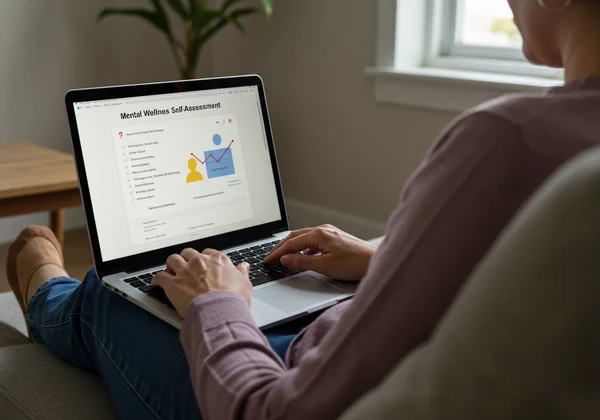
You will be guided through a series of questions about your personal experiences with mood and energy. The questions are derived directly from the official scale and prompt you to think about different periods in your life. Honesty is key—the goal is self-understanding, and there are no right or wrong answers. The entire bsds selfassessment is confidential, respecting your privacy above all else.
Understanding Your BSDS Score
Upon completing the questionnaire, you will receive an immediate preliminary result. This BSDS score is an indicator, not a final judgment. It is calculated based on a standardized scoring system that correlates certain patterns of answers with traits found on the bipolar spectrum. A higher score generally suggests that your experiences align more closely with those common to bipolar spectrum conditions.
It's crucial to view this score as information, not a label. It doesn't define who you are. Rather, it serves as a data point that can help you decide your next steps. The score is a powerful tool to help you say, "My experiences are valid, and it might be worthwhile to discuss them with a professional." This is the first step toward gaining control and seeking the right support.
The Role of the AI-Powered Report
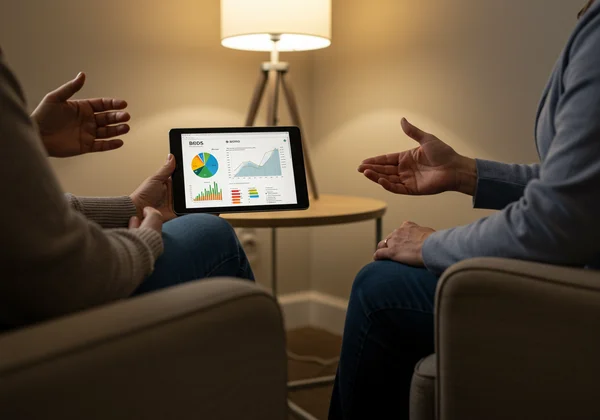
Our tool takes this process a step further with an optional AI-powered personalized analysis. This innovative feature goes beyond a simple number. By providing a little more anonymous context, the AI can generate a more detailed report that highlights specific patterns in your responses and explains what they might mean in a clear, easy-to-understand way.
This report can be incredibly helpful in preparing for a conversation with a doctor or therapist. It can help you organize your thoughts and articulate your experiences more clearly. Instead of just saying, "I have mood swings," you can point to specific examples and patterns identified in your report. This empowers you to have a more productive and collaborative discussion with a healthcare provider. You can get personalized insights to prepare for that important conversation.
The Key Difference: A BSDS Screening vs. Professional Diagnosis
This is perhaps the most important takeaway: a BSDS screening is not a medical diagnosis. No online test, no matter how scientifically sound, can replace a comprehensive evaluation by a qualified healthcare professional, such as a psychiatrist or psychologist. Completing the bipolar disorder test is an act of information gathering.
A formal diagnosis involves much more than a questionnaire. A clinician will conduct a detailed interview, discuss your personal and family medical history, and rule out other potential causes for your symptoms. The BSDS is a fantastic tool to initiate this process. It helps you organize your experiences and gives you the confidence to seek professional help. Think of the BSDS result as your conversation starter—a well-researched, personalized one. It helps you take the first step with clarity.
Frequently Asked Questions
Is the BSDS a definitive diagnosis for bipolar disorder?
No, absolutely not. The BSDS is a highly reliable screening tool designed to identify characteristics that may suggest you are on the bipolar spectrum. It is an educational and informational resource. A definitive diagnosis can only be made by a qualified healthcare professional after a thorough clinical evaluation.
How accurate is the BSDS test?
The BSDS is a scientifically validated instrument recognized for its reliability and accuracy in screening for bipolar spectrum disorders. Studies have shown its effectiveness in distinguishing bipolar disorders from other conditions like unipolar depression. Its accuracy lies in its ability to flag potential issues that warrant further investigation by a professional.
What are the signs of bipolar disorder?
Signs of bipolar disorder typically involve episodes of significantly altered mood. These can include manic or hypomanic episodes (periods of elevated energy, euphoria, racing thoughts, decreased need for sleep) and depressive episodes (periods of low mood, loss of interest, fatigue, feelings of worthlessness). The BSDS is designed to help you explore whether your life experiences align with these patterns.
Can I take a free bipolar test online?
Yes, you can. We offer a confidential screening based on the official Bipolar Spectrum Diagnostic Scale completely free of charge. It’s an accessible way to take a proactive step in understanding your mental health. We believe everyone deserves access to reliable first-step tools, and you can try our free tool today.
Your Path to Clarity Starts Here
Understanding yourself is a journey, not a destination. Tools like the Bipolar Spectrum Diagnostic Scale are like guideposts along the way, offering direction and clarity when the path feels uncertain. The BSDS provides a safe, private, and scientifically grounded way to explore your emotional experiences and gain valuable insights. It’s not about finding a label, but about finding a language to describe your journey and the confidence to seek the support you deserve.
Taking this first step is an act of self-care and strength. You are investing in your own well-being and opening the door to a clearer future. If you are ready to learn more, the BSDS assessment is here to guide you.
Start Your Free BSDS Assessment now and take the first step toward understanding.