Beyond Diagnosis: Effective Bipolar Long-Term Management After BSDS Screening
The journey through bipolar disorder doesn't end with a BSDS screening—it's just the beginning. If you've recently taken the BSDS assessment and received results that suggest bipolar spectrum traits, you may be wondering: "What comes next?" This transition from identifying symptoms to managing them can feel overwhelming, but it is a vital step toward stability.
This comprehensive guide walks you through proven long-term management strategies. These methods can help you build a fulfilling life while managing potential bipolar symptoms. We use practical approaches grounded in clinical research and real-world experience to help you find your way. Before diving into the details, remember that taking a free BSDS screening is the best way to gather initial data for your doctor.
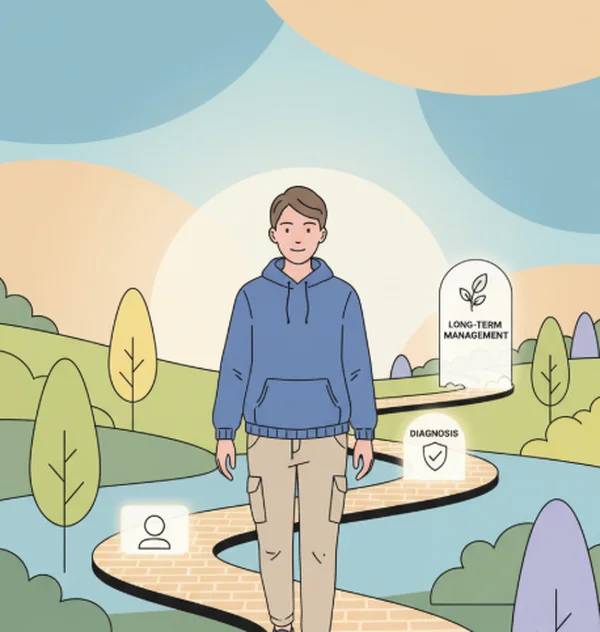
Understanding Your BSDS Results in the Context of Long-Term Management
The Bipolar Spectrum Diagnostic Scale (BSDS) is a powerful tool designed to catch the subtle nuances of mood shifts. Unlike some tests that only look for extreme "highs," the BSDS looks at the whole spectrum. Understanding how to use these results is the foundation of bipolar disorder long-term management.
Interpreting BSDS Scores as a Starting Point, Not a Destination
It is important to remember that a high score on the BSDS is not a final clinical diagnosis. Instead, think of it as a signal from your body and mind that something needs attention. The scale is highly sensitive. This means it is very good at picking up on "soft" bipolar signs that other tests might miss.
When you understand your symptoms through this lens, you stop seeing them as random occurrences. You begin to see them as patterns. A high score suggests that your experiences with energy, sleep, and mood align with the bipolar spectrum. This clarity allows you to move away from the confusion of "why do I feel this way?" and toward the solution-oriented "how do I manage this?"
How BSDS Results Guide Treatment Planning and Lifestyle Adjustments
Once you have your results, you have a "map" of your internal state. You can bring these results to a psychiatrist or therapist to jumpstart your consultation. It saves time by highlighting specific behaviors. Hallmarks of the condition, like periods of high productivity followed by deep "crashes," become easier to identify.
These insights directly influence your BSDS treatment strategies. For example, if your results show high sensitivity to sleep disruption, your long-term plan will prioritize a strict sleep-wake cycle. If your results highlight irritability rather than euphoria, your therapy might focus on anger management and stress reduction. Using the scale helps you and your care team build a plan that fits your specific needs.
Foundational Strategies for Bipolar Maintenance Therapy
Managing a mood disorder is similar to managing a physical condition like diabetes. It requires consistent effort and a reliable toolkit. This approach is often called bipolar maintenance therapy, which focuses on keeping you in a stable "middle ground" rather than reacting to crises.
Medication Adherence: Building Systems for Consistent Treatment
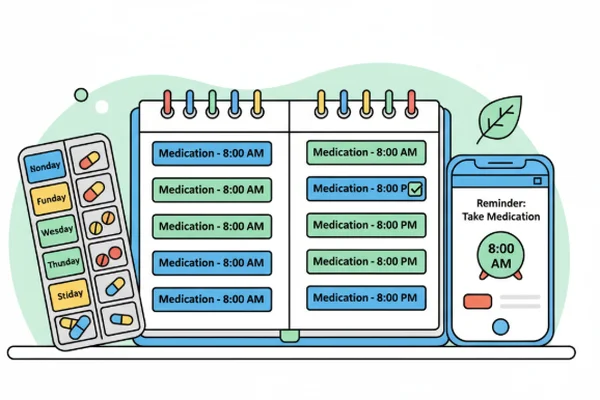
For many on the bipolar spectrum, medication is a cornerstone of stability. It helps level the chemical imbalances that cause extreme mood swings. However, the biggest challenge many people face is staying consistent. When you feel "better," you might think you no longer need the medicine.
To build a long-term system, consider these tips:
- Use a daily pill organizer to track your doses.
- Set recurring alarms on your phone.
- Link your medication time to a daily habit, like brushing your teeth.
- Keep an open dialogue with your doctor about side effects.
Consistent treatment is the most effective way to prevent future episodes of mania or depression.
Therapy Options: From CBT to DBT and Beyond
Talk therapy is just as important as medication. Cognitive Behavioral Therapy (CBT) helps you identify the negative thought patterns that lead to mood shifts. For instance, if you notice a "racing mind," CBT teaches you how to slow down and challenge those thoughts.
Dialectical Behavior Therapy (DBT) is another excellent option. It focuses on "emotional regulation" and "distress tolerance." This is particularly helpful for those who experience intense emotions and need practical tools to stay calm. Working with a therapist allows you to process the impact of living with bipolar disorder on your relationships and career.
Lifestyle Modifications That Support Mood Stability
Small daily choices have a massive impact on your brain chemistry. When you are managing bipolar symptoms daily, your routine is your strongest defense. Stability thrives on predictability.
Key lifestyle changes include:
- Strict Sleep Hygiene: Going to bed and waking up at the same time every day stabilizes your circadian rhythm.
- Regular Physical Activity: Exercise helps burn off excess energy during "up" periods and boosts feel-good chemicals during "down" periods.
- Avoiding Triggers: Limit caffeine and alcohol, as both can trigger mood swings or interfere with medication.
By using a mood disorder scale regularly, you can see how these lifestyle changes improve your scores over time.
Proactive Monitoring and Crisis Prevention
One of the most difficult parts of bipolar disorder is the feeling that a mood shift might come out of nowhere. Proactive monitoring removes that element of surprise. It turns you into an expert on your own mental health.
Tracking Mood Patterns: Tools and Techniques
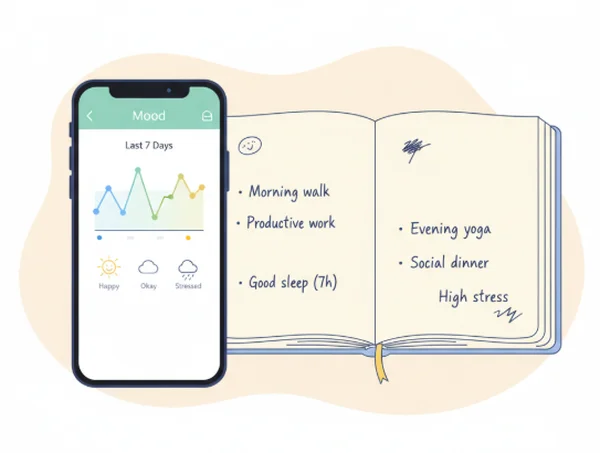
Long-term success depends on your ability to spot a mood shift before it becomes a full-blown episode. Many people use mood tracking apps or simple journals. You should track your mood on a scale of 1 to 10, along with your sleep hours and any stressful events.
Over time, you will notice "red flags." For some, a red flag is spending more money than usual. For others, it might be a sudden loss of interest in hobbies. If you notice these signs early, you can adjust your treatment or contact your doctor before the situation gets worse. This is a vital part of bipolar disorder long-term management.
Developing a Personalized Crisis Plan
Even with the best management, crises can happen. A personalized crisis plan (sometimes called a WRAP—Wellness Recovery Action Plan) is a written document. It tells you and your loved ones what to do when things get bad.
Your plan should include:
- Contact information for your doctor and therapist.
- A list of your current medications and dosages.
- Signs that you are no longer able to make safe decisions.
- Instructions on which hospital you prefer if inpatient care is needed.
With this plan in place, you experience less anxiety. Even during difficult moments, you'll have a clear path to safety.
Building Your Support System and Maintaining Quality of Life
You do not have to walk this path alone. In fact, people with strong social connections tend to have much better outcomes. Building a support system is about finding people who understand the reality of living with bipolar disorder.
Communicating Effectively with Your Healthcare Team
Your relationship with your doctor should be a partnership. Do not be afraid to ask questions or express concerns about your treatment. When you take the test on our homepage, you can even bring those results to show your doctor how your symptoms are manifesting.
Be honest about your symptoms. If you missed doses of medication or if you are feeling a "high" coming on, tell them. They cannot help you effectively if they don't have the full picture. Good communication ensures that your bipolar maintenance therapy stays relevant to your current life.

Family and Peer Support: Leveraging Your Network
Educating your family and friends is crucial. Often, they want to help but don't know how. Share educational resources with them. Help them understand that bipolar disorder is a medical condition, not a character flaw.
Peer support groups are also incredibly valuable. Talking to others who have high BSDS scores or a confirmed diagnosis can reduce the feeling of isolation. They can offer practical advice on managing bipolar symptoms daily that you might not get from a textbook.
Finding Balance: Career, Relationships, and Personal Goals
A diagnosis or a high screening score does not mean you have to give up on your dreams. Many successful professionals, artists, and parents manage bipolar disorder effectively. The key is balance.
In your career, you might need to request "reasonable accommodations." This might include a flexible start time if you struggle with morning grogginess. In relationships, being open about your needs helps build trust. Remember, the goal of management is not just to "not be sick." It is to be well enough to enjoy your life, your hobbies, and your loved ones.
Your Path Forward: Integrating BSDS Insights into Lifelong Management
Managing bipolar disorder requires ongoing commitment and patience, with small consistent steps leading to significant long-term progress. It requires a combination of self-awareness, professional support, and consistent daily habits. By using tools like the BSDS, you gain the clarity needed to make informed decisions about your health.
Remember, you have agency in your mental health journey—your daily choices and actions directly contribute to greater stability and well-being. Whether it is through medication adherence, therapy, or proactive mood tracking, every step you take builds a stronger foundation for your future. Begin your management journey now, using the insights from your BSDS assessment as your foundation for proactive mental health care. You can use our tool today to get a clearer picture of your mental health and start building your personalized management plan.
The Takeaway
Can I stop medication if my BSDS scores improve?
No, you should never stop or change your medication without consulting your doctor first. Often, improved scores mean the medication is working exactly as it should. Stopping it abruptly can cause a "rebound" effect, leading to a severe mood episode. Always discuss your progress with a medical professional.
How often should I reassess my bipolar management strategies?
It is a good idea to review your management plan every 3 to 6 months. As your life changes—such as starting a new job or moving—your triggers and needs might change too. Using an online screening tool periodically can help you track whether your symptoms are trending toward stability or if adjustments are needed.
What if my symptoms change over time?
Bipolar disorder can evolve. Some people find that their episodes become more frequent or that the nature of their "highs" and "lows" shifts as they age. This is why consistent monitoring is so important. If you notice a change, bring your data to your healthcare provider to update your treatment plan.
How can I talk to my doctor about adjusting my treatment plan?
Be specific and data-driven. Instead of saying "I feel bad," say "I have noticed that my sleep has dropped to 4 hours a night for the last week, and my irritability is a 7 out of 10." Using the specific categories from the BSDS can help you describe these shifts more clearly to your doctor.
Are there natural supplements that can complement bipolar treatment?
Some people use supplements like Omega-3 fatty acids or Magnesium to support brain health. However, some supplements can interact poorly with bipolar medications or even trigger mania (like St. John's Wort). Always ask your psychiatrist before adding any supplement to your routine to ensure it is safe for you.