Bipolar Disorder Female Symptoms: Signs, Patterns, and When to Seek Help
Bipolar disorder female symptoms can be confusing because they may look like depression, anxiety, stress, sleep loss, premenstrual mood changes, or a difficult season of life. The key question is not whether one mood feels intense for a day. It is whether there are repeated shifts in mood, energy, sleep, behavior, and judgment that last long enough to disrupt work, school, relationships, or safety. If you are trying to organize what you have noticed, an educational bipolar spectrum screening can be a low-pressure way to reflect before discussing the pattern with a qualified professional.

What Bipolar Disorder Female Symptoms Can Look Like
Bipolar disorder is marked by episodes of unusually elevated, energized, irritable, or activated mood, and episodes of low mood, low energy, or loss of interest. In females, the same core pattern applies, but the visible picture can lean more toward depression, mixed mood states, rapid shifts, and changes around reproductive life stages.
Symptoms are not just "mood swings." A meaningful pattern usually includes changes in several domains at once: sleep, energy, activity, speech, spending, sex drive, risk-taking, concentration, confidence, irritability, appetite, or withdrawal. The change is also noticeably different from the person's usual baseline.
Because many females first seek help during low periods, the elevated or activated side can be missed. A person may remember the depression clearly but describe hypomania as a productive week, a burst of confidence, a period of needing little sleep, or a time when other people said she seemed unusually intense.
Mania, Hypomania, Depression, and Mixed Features
The most useful way to understand bipolar disorder symptoms in females is to separate the pattern into four buckets: mania, hypomania, depression, and mixed features. A person does not need every symptom in a list for the pattern to deserve professional attention.
Manic or Hypomanic Symptoms
Mania and hypomania both involve a higher or more activated state than usual. Mania is more severe and may cause major problems with work, relationships, judgment, or safety. Hypomania is less severe, but it can still create real disruption, especially if it is followed by depression.
Common signs include needing much less sleep while still feeling energized, talking faster than usual, jumping quickly between ideas, feeling unusually confident, taking on many projects, becoming more social or more irritable, spending impulsively, driving more aggressively, using substances more, or making decisions that feel out of character afterward.
For some females, hypomania is not experienced as happiness. It may feel like agitation, impatience, anger, mental speed, sexual impulsivity, or the sense that the body cannot slow down. Loved ones may notice the shift before the person sees it.
Depressive Symptoms
Depressive episodes can include sadness, emptiness, guilt, hopelessness, fatigue, oversleeping or insomnia, appetite changes, slowed movement, loss of interest, trouble concentrating, and thoughts of death or self-harm. In bipolar II symptoms in females, depression may be the most visible part of the pattern.
This matters because repeated depression plus occasional periods of high energy, less sleep, or impulsive behavior can point to a different care conversation than depression alone. The goal is not to label yourself. The goal is to bring a fuller timeline to a mental health professional.
Mixed Features
Mixed features happen when low mood and activated energy appear together. A person might feel hopeless but wired, exhausted but unable to sleep, tearful but restless, or depressed while having racing thoughts. These states can feel especially distressing because the mind and body seem to be moving in opposite directions.
Mixed features deserve careful attention, especially if they include self-harm thoughts, extreme agitation, risky behavior, or feeling unable to stay safe. In urgent danger, contact emergency services or a crisis line right away.
Bipolar II Symptoms in Females Are Often Subtle
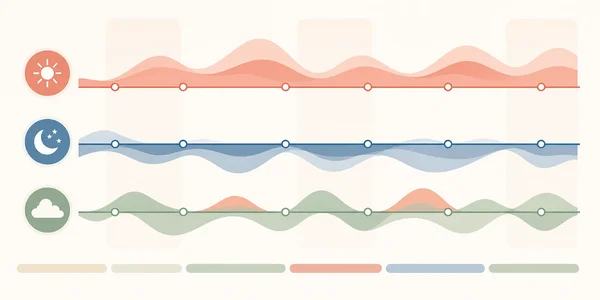
Bipolar II is often associated with depressive episodes and hypomanic episodes. Since hypomania can look milder than mania, it may be mistaken for confidence, ambition, creativity, or simply "finally feeling better." The pattern becomes clearer when that energized period is followed by a crash, conflict, regret, or a long depressive phase.
Bipolar disorder 2 symptoms in females may include longer or more frequent low periods, episodes of increased activity, less need for sleep, irritability, impulsive spending, increased social or sexual behavior, and feeling unusually driven. Some females may also report anxiety, migraine, thyroid concerns, substance use problems, or weight changes from medication, all of which can complicate the picture.
If you are unsure whether a high-energy period was typical productivity or hypomania, write down what changed: sleep hours, spending, speech speed, libido, substance use, conflict, work output, and whether others commented on your behavior. A private mood-pattern check can help you organize those observations, but it should sit alongside, not replace, professional care.
Female-Specific Factors That Can Change the Pattern
Hormonal changes do not by themselves explain bipolar disorder, but they can affect symptom timing or severity for some females. This is one reason a simple "good week, bad week" memory may not be enough. Tracking the calendar can reveal patterns that are otherwise easy to overlook.
Menstrual Cycle and Premenstrual Changes
Some people notice that mood, sleep, irritability, energy, or anxiety worsen at predictable points in the menstrual cycle. Premenstrual syndrome or premenstrual dysphoric disorder is not the same as bipolar disorder, but symptoms can overlap. A clinician may want to know whether mood changes are limited to the premenstrual window or whether clear high and low episodes also happen outside it.
Pregnancy, Postpartum, and Breastfeeding
Pregnancy and the postpartum period can require closer planning for anyone with a known or suspected bipolar pattern. Sleep disruption, medication decisions, and hormonal shifts can all matter. Postpartum psychosis is a medical emergency, and any hallucinations, delusional beliefs, extreme confusion, or thoughts of harming yourself or a baby require immediate help.
Medication choices during pregnancy or breastfeeding should be discussed with a qualified professional. Do not stop prescribed medication on your own because sudden changes can raise risk.
Perimenopause and Menopause
Perimenopause and menopause can bring sleep disruption, hot flashes, cycle changes, and mood changes. For someone with bipolar disorder, reduced sleep alone may intensify symptoms. This is another reason sleep tracking is not a small detail. It can be one of the clearest early signals that support is needed.

What Causes Bipolar Disorder and What Happens in the Brain
People often search what causes bipolar disorder or what causes bipolar disorder in the brain because they want a clear answer. Current medical understanding points to a mix of factors rather than one simple cause.
Family history can raise risk. Brain biology, including systems involved in mood, reward, sleep, and energy regulation, may also play a role. Stressful life events, trauma, substance use, and major sleep disruption can trigger or intensify episodes in someone who is vulnerable.
For females, reproductive life events may influence when symptoms worsen, but they should not be treated as the whole explanation. If symptoms repeatedly affect functioning, it is worth discussing both mental health and physical health factors, including thyroid problems, medication effects, substance use, trauma history, and sleep disorders.
How Professionals Assess Bipolar Patterns Safely
A safe assessment looks at patterns over time, not one isolated feeling. A professional may ask about mood episodes, sleep, energy, behavior, family history, medications, substance use, medical conditions, trauma, pregnancy history, and whether symptoms cause impairment or safety concerns.
It can help to bring a short timeline. Include dates or approximate months, how long each episode lasted, what changed from your baseline, whether there were consequences, and what other people noticed. If possible, include sleep hours and cycle timing. This makes the conversation more concrete and less dependent on memory.
Online tools can support reflection, but they cannot provide a clinical conclusion. They are best used as a way to name patterns, prepare notes, and decide whether to seek a more complete evaluation.

A Calm Next Step if the Pattern Feels Familiar
If these signs feel familiar, start with observation rather than panic. Track sleep, mood, energy, irritability, spending, substances, appetite, concentration, menstrual cycle timing, and major stressors for a few weeks. Ask a trusted person whether they have noticed periods when you seemed unusually sped up, withdrawn, impulsive, or unlike yourself.
Then share the pattern with a qualified healthcare or mental health professional. You can also review a gentle BSDS self-reflection starting point if you want a structured way to think through bipolar spectrum traits before that conversation. Treat the result as a prompt for discussion, not a final answer.
Seek urgent help right away if you feel at risk of harming yourself or someone else, if you are not sleeping for days, if you are hearing or seeing things others do not, if beliefs feel detached from reality, or if behavior feels out of control. In the United States, call or text 988 for crisis support, and call emergency services for immediate danger.
FAQ
How do you spot bipolar symptoms in a woman?
Look for repeated episodes that change mood, energy, sleep, behavior, and functioning from the person's usual baseline. In females, depression, irritability, mixed features, rapid cycling, and changes around menstrual, postpartum, or menopausal stages may be especially important to track.
What does a manic episode feel like?
It can feel like extreme energy, confidence, speed, restlessness, irritability, or needing very little sleep. Some people feel powerful or unusually productive, while others feel agitated and unable to slow down. The concern rises when the state leads to risky choices, conflict, impaired functioning, or safety issues.
Can someone fully recover from bipolar disorder?
Many people manage bipolar disorder well with ongoing treatment, routines, support, and early warning plans. It is usually discussed as a long-term condition rather than something that simply disappears, but stability and a meaningful life are realistic goals with the right care.
Is bipolar I a permanent disability?
Not automatically. Bipolar I can be disabling for some people, especially during severe episodes, but disability status depends on symptoms, functioning, treatment response, job demands, and legal or benefits criteria. A clinician or benefits specialist can give guidance for an individual situation.
What are the 7 types of bipolar disorder?
Some search results refer to seven labels in the broader bipolar and related disorders category: bipolar I, bipolar II, cyclothymic disorder, substance or medication-induced bipolar and related disorder, bipolar and related disorder due to another medical condition, other specified bipolar and related disorder, and unspecified bipolar and related disorder. In everyday care, most education focuses first on bipolar I, bipolar II, and cyclothymic disorder.
Are mild bipolar disorder symptoms in females still important?
Yes. "Mild" symptoms can still affect sleep, relationships, work, spending, confidence, and safety. They also may become clearer only when viewed over time. Tracking patterns and discussing them early can help a professional understand what is happening before the disruption grows.
What should female teens or young adults watch for?
Teen and young adult mood changes can be hard to interpret because stress, sleep changes, trauma, hormones, and normal development can overlap. Warning signs include severe mood shifts that are not typical for the person, major sleep changes, risky behavior, withdrawal, self-harm thoughts, or episodes that disrupt school, relationships, or safety. A parent, caregiver, school counselor, doctor, or mental health professional should be involved when risk is present.