BSDS & Bipolar: Impact on Work, Relationships, Daily Life
Experiencing extreme mood swings, fluctuating energy, and unpredictable focus can make daily life feel like a constant uphill battle. These shifts aren't just internal feelings; they have a real and significant impact on your job, your friendships, and even the simplest parts of your daily routine. If you've ever wondered why your professional performance or personal connections feel so inconsistent, you are not alone.
Living with bipolar spectrum symptoms often means facing unpredictable challenges at work, home, and beyond. More importantly, gaining clear, structured insights can be the first step toward constructive action. Understanding your experiences through a tool like the Bipolar Spectrum Diagnostic Scale (BSDS) can empower you to seek the right support. To begin understanding your own patterns, you can explore your symptoms with our BSDS tool at any time.
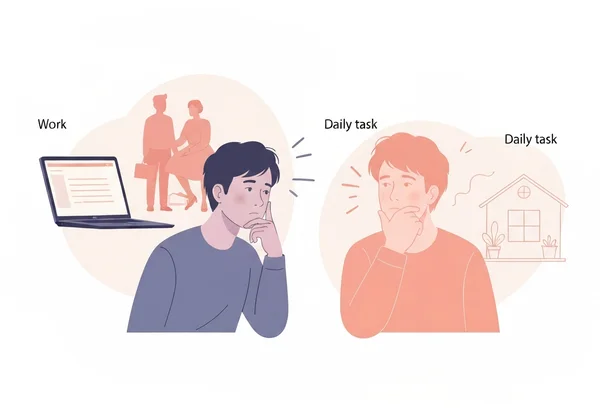
Navigating Professional Life with Bipolar Spectrum Challenges
The workplace demands consistency, focus, and collaboration—three areas that become incredibly challenging when dealing with the highs and lows of a potential mood disorder. These challenges are not a reflection of your skills or work ethic, but rather symptoms that can interfere with your professional life. We understand how exhausting this cycle can be.
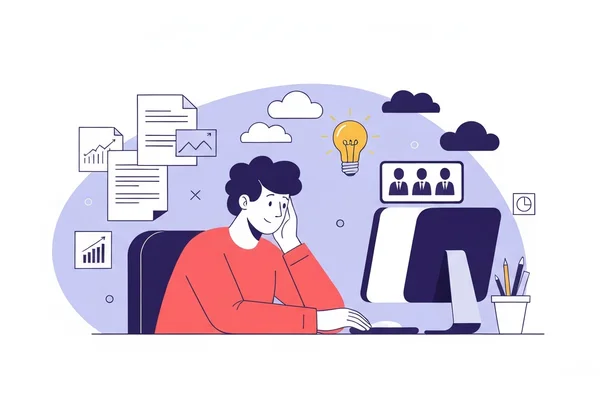
Common Work Performance Impacts of Bipolar Symptoms
Symptoms associated with the bipolar spectrum can manifest in several ways at work. Hypomania often brings bursts of creativity and productivity. But these highs can also fuel impulsive choices, like overcommitting to projects or struggling with teamwork.
Conversely, during depressive episodes, you might experience:
- Difficulty concentrating: Simple tasks can feel overwhelming.
- Missed deadlines: A lack of energy and motivation can derail productivity.
- Decreased engagement: You might withdraw from team meetings or social interactions.
- Feelings of worthlessness: This can impact your confidence and willingness to take on new challenges.
This cycle of highs and lows can create an unpredictable performance record, which is often confusing and frustrating for both you and your employer.
Using BSDS Insights to Improve Workplace Strategies
While a professional diagnosis and treatment plan are essential, practical strategies can help you create a more stable work environment. Building a strong routine is a powerful first step. Try to maintain consistent sleep schedules, take regular breaks during the day, and set realistic daily goals.
Stress management is also key. Identify your workplace triggers—whether it's tight deadlines or difficult colleagues—and develop coping mechanisms. This could be a short walk, a few minutes of deep breathing, or listening to calming music. Clear communication with your manager about your workload, without needing to disclose personal health details, can also prevent you from becoming overwhelmed.
Leveraging BSDS Insights for Workplace Conversations and Support
Understanding your own patterns is crucial. A screening tool like the BSDS can provide valuable, structured information about your experiences. These are not a diagnosis but can offer valuable insights that help you articulate your challenges.
Instead of saying "I'm having a bad week," you can frame a conversation around functional difficulties. For example, you could discuss needing a quieter workspace to improve focus or requesting flexible hours to accommodate changes in your energy levels. BSDS results provide a clear starting point for workplace discussions. With this insight, you can advocate for practical changes—like flexible schedules—to protect your well-being.
Bipolar's Influence on Personal Relationships and Connections
Bipolar symptoms often strain relationships. Loved ones may struggle to understand sudden mood shifts, creating tension or confusion.

How Mood Swings Affect Family and Friend Dynamics
The nature of bipolar spectrum symptoms means that your role in relationships can feel inconsistent. During an elevated mood, you might be the center of attention—energetic, fun, and spontaneous. But this same period can also bring irritability and impulsiveness that strains connections.
During depressive episodes, you may withdraw completely. You might cancel plans, stop responding to messages, and isolate yourself from the people who care about you most. To them, this can feel like rejection or a lack of interest. This unpredictable cycle makes it difficult for loved ones to know what to expect, leading to instability in even the strongest bonds.
Nurturing Healthy Relationships While Managing Bipolar Symptoms
Open and honest communication is the foundation for managing these challenges. When you feel able, try to explain to your loved ones what you're experiencing in simple terms. Helping them understand that your withdrawal or irritability is a symptom, not a reflection of your feelings for them, can build empathy.
Setting healthy boundaries is also vital. It's okay to say you need space or can't commit to social events when you're not feeling up to it. For partners and family, learning to provide support without enabling destructive behaviors is a delicate but important balance. Sometimes, professional guidance through couple or family therapy can provide a safe space to navigate these issues together.
Using BSDS Results to Foster Understanding with Loved Ones
Starting a conversation about mental health can be daunting. The results from a BSDS screening can serve as a neutral, objective starting point. It provides a framework to discuss specific symptoms and patterns.
Sharing these insights can transform the conversation from one of blame or confusion to one of teamwork. It allows you to say, "I've been trying to understand my experiences, and this tool highlighted some patterns. I want to share this with you so we can face it together." This act of vulnerability can foster a deeper connection and help you build the strong support system you deserve.
Daily Life & The Broader BSDS Daily Impacts
Beyond work and relationships, the effects of bipolar spectrum symptoms are woven into the fabric of everyday life. Seemingly simple tasks like maintaining a sleep schedule, managing energy, and practicing self-care can become significant hurdles.
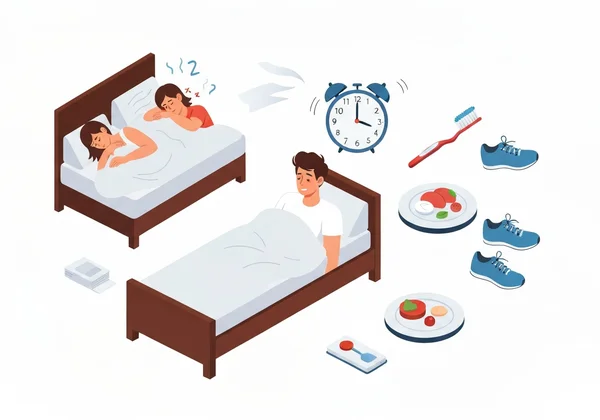
Everyday Challenges: Sleep, Energy Levels, and Self-Care Routines
Sleep is often one of the first things to be disrupted. Manic or hypomanic episodes can be marked by a decreased need for sleep, leaving you feeling wired and restless for days. In contrast, depressive episodes can bring overwhelming fatigue and the desire to sleep all the time.
This sleep disruption has a direct impact on your energy levels, making it difficult to maintain any kind of routine. Basic self-care—like showering, preparing meals, or tidying your home—can feel impossible during a depressive low. During a high, you might neglect these things due to distraction or a focus on more stimulating activities.
The Importance of Routine and Lifestyle Adjustments
For managing day-to-day life, structure is your greatest ally. A predictable routine can act as an anchor, helping to stabilize your mood and energy levels. Even small, consistent habits can make a big difference:
- Go to bed and wake up around the same time every day.
- Eat regular, nutritious meals to avoid energy crashes.
- Incorporate gentle movement, like a daily walk, into your schedule.
- Track your moods in a journal or app to identify patterns and triggers.
These lifestyle adjustments are not a cure, but they are powerful tools that give you a greater sense of control over your well-being.
How BSDS Insights Empower Your Daily Management Strategies
Recognizing your specific challenges is the key to developing effective coping strategies. The BSDS helps you identify which symptoms are most prominent in your life. Does the screening highlight impulsivity? You can work on creating a budget or a "pause before you act" rule. Does it point to significant shifts in energy? You can focus on building a more rigid sleep and meal schedule.
By providing a clear picture of your personal experience, a screening tool empowers you to take targeted, proactive steps. Begin your self-assessment to gain the clarity needed to build effective daily management habits.

Taking the First Step: Understanding Your Daily Impacts with BSDS Insights
If the challenges described in this guide resonate with your experience, know that clarity and support are within reach. The unpredictable impacts on your work, relationships, and daily routines are not a personal failing but a pattern that can be understood. Recognizing these connections is the crucial first step toward reclaiming control and building a more stable life.
Gaining that clarity is a powerful act of self-care. Take the free BSDS assessment today. It is a confidential, scientifically-backed tool that provides the insights you need to start a meaningful conversation with a healthcare professional and begin your journey toward well-being.
Common Questions About Bipolar's Daily Impact & BSDS Screening
What are some common early signs of bipolar disorder beyond mood swings?
While dramatic mood swings are a hallmark, other early signs are important to recognize. These can include significant changes in sleep patterns (needing much less sleep or sleeping excessively), being more talkative than usual, having racing thoughts, or being easily distracted. You might also notice periods of intense, goal-directed activity or a loss of interest in hobbies you once enjoyed.
How accurate is the BSDS test in identifying potential bipolar symptoms?
The Bipolar Spectrum Diagnostic Scale (BSDS) is a scientifically validated and reliable screening tool. It is designed to accurately identify symptoms and patterns that are highly suggestive of a bipolar spectrum disorder. While it is very effective for screening purposes, it is not a diagnostic test. Its purpose is to indicate whether a full professional evaluation is recommended.
Is the BSDS a definitive diagnosis for bipolar disorder?
No, absolutely not. The BSDS screening on our site is an educational and informational tool, not a substitute for professional medical advice. A definitive diagnosis for bipolar disorder can only be made by a qualified healthcare professional, such as a psychiatrist or psychologist, after a comprehensive clinical evaluation.
What should I do after receiving my BSDS screening results?
After completing the assessment, we encourage you to save or print your results. The next and most important step is to schedule an appointment with a doctor or mental health professional to discuss them. Your results can be an excellent starting point for that conversation, providing a clear and structured summary of your experiences. For more information on understanding your results, our platform provides guidance to help you prepare for that discussion.