BSDS Doctor Questions: Printable Toolkit
You've just completed your bipolar spectrum screening and received results suggesting possible features. It's common to feel a mix of relief and anxiety at this stage. Now comes the crucial step: discussing these findings with a healthcare professional. But how do you translate screening results into effective questions? What should you ask to make the most of your consultation time? This printable toolkit transforms your screening results into targeted questions that facilitate productive conversations with your doctor, helping you move from screening to professional guidance. Start by taking your free BSDS screening to generate your personalized discussion points.
Preparing for Your Medical Consultation
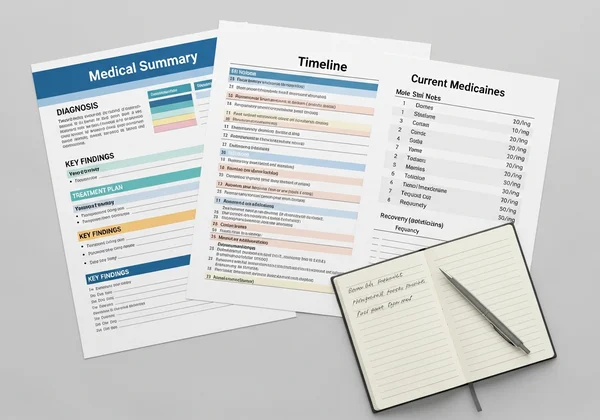
What to Bring: Essential Documents for Your Doctor
Gather these critical items before your appointment:
- Your screening score summary (including optional AI analysis if completed)
- A symptom timeline noting mood episodes, energy levels, and behavioral changes
- Family mental health history (if known)
- Current medications/supplements list
- Notes on how symptoms impact your daily functioning
Having these materials organized helps your doctor quickly understand your situation. If you haven't generated your screening results yet, begin your assessment now to create your foundational documentation.
Timing Your Appointment: Maximizing Discussion Efficiency
Schedule consultations during:
- Morning hours when mental clarity is typically highest
- Periods of relative emotional stability (avoid extreme highs/lows)
- Longer appointment slots (request 30-45 minutes when booking)
Bring a trusted friend or family member if you anticipate difficulty recalling details under stress. They can take notes and provide observational insights about your symptom patterns.
Emotional Preparation: Managing Anxiety Before Your Visit
It’s completely normal to feel vulnerable when discussing your mental health. Try these evidence-based techniques:
- Practice mindfulness breathing (5-count inhale, 7-count exhale)
- Write down your fears about the consultation to externalize concerns
- Rehearse opening statements like "My screening results suggested I might experience..."
Remember: This screening serves as your conversation starter, not a final verdict. Clinicians value patients who come prepared with organized observations. Get your free BSDS score to establish your baseline before consulting professionals.
Translating Screening Results into Clinical Questions
Questions About Your Score and Its Implications
Use these prompts to discuss your numerical results:
- "How does my score of [X] on the bipolar spectrum diagnostic scale correlate with clinical diagnoses?"
- "Which specific items in my screening responses most contributed to this result?"
- "Does this score indicate I should pursue more comprehensive psychological testing?"
These questions help interpret your screening evaluation within clinical contexts. The BSDS.me platform provides instant scoring with optional AI analysis to help generate these discussion points.
Inquiries About Symptom Patterns and Their Significance
Explore your observed behaviors with these questions: 4. "My report noted [specific symptom]. Could this relate to bipolar spectrum tendencies?" 5. "How do professionals distinguish bipolar mood shifts from normal emotional fluctuations?" 6. "What environmental triggers or biological factors might influence these patterns?"
Document symptom frequency, duration, and severity between consultations using BSDS.me's printable tracking sheets available after completing your assessment.
Exploring Next Steps: From Screening to Official Diagnosis
Crucial progression questions include: 7. "What diagnostic criteria would confirm or rule out bipolar spectrum disorders?" 8. "Which specialists should I consult for further evaluation (psychiatrist, psychologist, etc.)?" 9. "What diagnostic tools beyond this screening might provide additional insights?"
BSDS.me strictly adheres to medical ethics guidelines, emphasizing that only licensed professionals can provide diagnoses. Our tool helps you start meaningful conversations with your healthcare team.

Printable Question Templates for Different Consultation Scenarios
Initial Assessment Discussion Template
This structured guide helps during first consultations:
- Section 1: Explaining your screening results timeline
- Section 2: Highlighting your most concerning symptoms
- Section 3: Requesting preliminary clinical impressions
Download your discussion guide after completing the screening to access customizable templates in 15 languages.
Follow-up Questions for Treatment Planning
After initial diagnosis discussions, focus on:
- Treatment option comparisons (therapy approaches, medication considerations)
- Symptom monitoring protocols
- Emergency planning for mood episodes
BSDS.me's optional AI analysis provides personalized conversation starters about these topics based on your unique results.
Questions for Specific Symptom Concerns
Targeted templates address:
- Mania/Hypomania: "Do these energy surges indicate clinical concerns?"
- Depressive Episodes: "How can we distinguish clinical depression from bipolar lows?"
- Mixed Features: "What precautions help manage simultaneous highs and lows?"
These specialized templates become available when you start your screening and select AI-enhanced reporting.
Your Bridge from Screening to Professional Care
This bipolar assessment represents your first step toward understanding potential bipolar spectrum features—not a final destination. This toolkit bridges screening results and professional diagnosis by transforming concerns into actionable clinical dialogue. By:
- Preparing organized documentation
- Formulating targeted questions
- Utilizing scenario-specific templates
You maximize consultation effectiveness while honoring your symptoms' complexity. Take control of your mental health journey today: complete your BSDS evaluation, download your personalized discussion guide, and begin constructive conversations with your healthcare team. Your path to clarity starts with understanding.

Frequently Asked Questions About BSDS Doctor Consultations
What if my doctor dismisses my screening results?
Politely clarify: "I understand this isn't diagnostic, but could we explore why these symptoms concern me?" Suggest correlating your screening responses with clinical observations. Always seek second opinions if your concerns persist. The BSDS evaluation serves best when combined with professional assessment.
How can I explain my screening score to my doctor effectively?
Use our printable summary showing:
- Your total score breakdown
- Most endorsed items
- Symptom frequency chart
Available after completing the assessment, these visuals help clinicians quickly grasp your patterns.
What questions should I ask if I'm unsure about my diagnosis?
Begin with:
- "What other conditions share these symptoms?"
- "Would additional testing provide clearer insights?"
- "How might we monitor changes over time?"
BSDS.me's repeatable assessments help track symptom evolution between consultations.
Can I use this toolkit with any healthcare professional?
Yes! These questions work with:
- Primary care physicians
- Psychiatrists
- Clinical psychologists
- Licensed therapists
Share your BSDS results securely with any provider via encrypted PDF export.
How do screening results translate into actual treatment plans?
While BSDS.me doesn't provide treatment recommendations, our reports help clinicians:
- Identify symptom patterns needing clinical attention
- Determine appropriate assessment pathways
- Create monitoring frameworks
Always combine BSDS screening insights with professional medical guidance. Try our free assessment today to begin your journey toward understanding.
Disclaimer: The BSDS assessment on BSDS.me is a screening tool, not a diagnostic instrument. Results should always be discussed with qualified healthcare professionals.