BSDS Results Explained: Your Next Steps After Bipolar Screening
Taking the step to complete a Bipolar Spectrum Diagnostic Scale (BSDS) assessment is an important step toward understanding your mental health. If you've just received your BSDS results, you might be feeling a mix of emotions—relief, concern, confusion, or even validation. What do these results mean for you? This guide is here to walk you through that very question, providing a clear, empathetic roadmap to help you understand your screening and take the next crucial steps on your journey to clarity and support.
Remember, the results you received from the BSDS self-assessment are a starting point, not a final destination. They are a valuable tool for building awareness, designed to help you and a healthcare professional begin a more informed conversation. Let’s explore what to do next, together.
Understanding Your BSDS Score: Screening, Not Diagnosis
The most critical takeaway from your assessment is understanding the difference between a screening and a diagnosis. The BSDS tool is an evidence-based screening questionnaire. It identifies patterns in your experiences that may be associated with the bipolar spectrum. A diagnosis, however, can only be made by a qualified healthcare professional after a comprehensive evaluation.
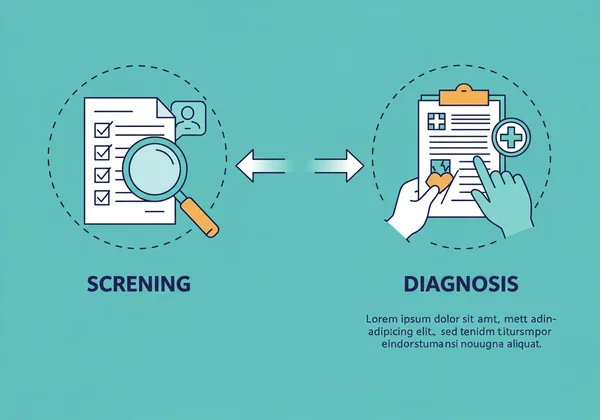
What Your BSDS Score Really Means for You
Think of your BSDS score as a weather forecast, not the weather itself. A high score suggests a higher probability of certain conditions, indicating that a conversation with a mental health professional is a wise next step. It doesn't mean a storm is guaranteed, but it does mean you should prepare.
Your score reflects how closely your self-reported feelings and behaviors—such as significant mood shifts, changes in energy, and periods of depression or elevated mood (mania or hypomania)—align with the key indicators of the bipolar spectrum. It is a valuable piece of personal data that can empower you to seek professional insight. The information from your free bipolar test provides a structured way to present your concerns.
Processing Your Initial Emotions After a Positive Screening
Receiving a result that suggests you may be on the bipolar spectrum can feel overwhelming. It's perfectly normal to feel anxious or uncertain. You might also feel a sense of relief, as if you finally have a potential explanation for experiences you've struggled to understand.
Allow yourself to sit with these feelings without judgment. This result is not a label; it's a key that can unlock a door to better understanding and effective management strategies. The courage you showed in taking the test is the same courage that will carry you forward. A screening result is simply information, and information is power—the power to take control and seek the right kind of help.
Your Next Steps After BSDS: Seeking Professional Evaluation
With your screening results in hand, the most important next step is to consult with a professional. They can interpret your results within the full context of your life and health history to provide an accurate picture. This is the path to a formal diagnosis and a personalized support plan.

How to Find a Qualified Mental Health Professional
Finding the right professional can feel like a daunting task, but there are several straightforward ways to begin. You can start by asking your primary care physician for a referral. They often have a network of trusted mental health specialists.
Additionally, many online directories for therapists and psychiatrists allow you to filter by location, specialty, and insurance coverage. Your insurance provider's website is also an excellent resource for finding in-network professionals. Don't be discouraged if the first person you contact isn't the right fit; finding a professional you trust is essential.
Psychiatrist, Psychologist, or Therapist? Choosing the Right Expert
Understanding the different roles within mental health care can help you decide who to see first.
- Psychiatrists are medical doctors (MDs) who specialize in mental health. They can diagnose conditions, provide therapy, and are licensed to prescribe medication. They are often a key part of the diagnostic process for bipolar disorder.
- Psychologists typically have a doctoral degree (Ph.D. or Psy.D.) and are experts in psychotherapy and psychological testing. They can provide a diagnosis and offer various forms of talk therapy.
- Therapists or Counselors (like Licensed Professional Counselors or Licensed Clinical Social Workers) provide talk therapy to help you develop coping strategies and manage symptoms.
For a comprehensive evaluation after a BSDS screening, seeing a psychiatrist or a clinical psychologist is often the best first step.
Preparing for Your First Appointment: Maximizing Your Visit
To make the most of your first appointment, a little preparation goes a long way. This will help you communicate your experiences clearly and ensure your doctor gets the information they need to help you effectively.

Essential Information to Share with Your Doctor
Your BSDS results are an excellent starting point. Bring them with you. In addition, try to jot down specific examples related to your symptoms. Think about:
- Mood Episodes: Describe times you've felt unusually "high" (energetic, euphoric, irritable) and "low" (depressed, hopeless, fatigued). How long did they last?
- Energy & Sleep: Note any significant changes in your sleep patterns (sleeping far less or more than usual) and your overall energy levels during these episodes.
- Impact on Life: Explain how these mood shifts have affected your work, relationships, and daily functioning. The details you provided during your BSDS online test are a great foundation.
Key Questions to Ask About Bipolar Disorder Symptoms
Your appointment is a two-way conversation. Asking questions empowers you and ensures you leave with a clearer understanding. Consider asking:
- Based on what I've shared, what are your initial thoughts?
- What does the full diagnostic process involve?
- Are there other conditions that could be causing these symptoms?
- What is the difference between bipolar I, bipolar II, and other related conditions?
What to Expect Next: Beyond Initial Assessment
The journey doesn't end with a single appointment. Understanding the road ahead can help reduce anxiety and set realistic expectations for managing your mental well-being.
Understanding the Diagnostic Process for Bipolar Disorder
A formal diagnosis is a careful and thorough process. A mental health professional will conduct a comprehensive clinical interview, asking detailed questions about your personal and family medical history. They will work to rule out other medical or psychological conditions that can mimic bipolar symptoms.
This process is designed to be precise, ensuring you get the correct diagnosis and, consequently, the most effective treatment. Be patient and open during this phase. Your honesty and input are invaluable to reaching an accurate conclusion. Getting a clear picture is the goal, and tools like the Bipolar Spectrum Diagnostic Scale are the first step.
Building a Support System and Managing Well-being
Beyond clinical care, building a robust support system is vital. This can include trusted friends, family members, or support groups where you can connect with others who have similar experiences. Feeling understood and connected is a powerful part of the healing process.

Furthermore, working with your provider to establish routines around sleep, nutrition, and exercise can have a profound positive impact on mood stability. Self-care isn't a luxury; it's an essential component of long-term well-being. Your journey to understanding began with a simple search, and now you are on a path to actively managing your health.
Empowering Your Mental Health Journey
Taking your BSDS screening shows true courage, marking a vital first step on your path to clarity. See your results not as a judgment, but as a guidepost pointing you toward greater self-awareness and professional support. By understanding this is a screening tool, giving yourself space to process your emotions, and preparing to speak with a healthcare professional, you are taking powerful, positive control of your mental health. Remember, seeking help is a sign of strength, and you are not alone on this journey.
Frequently Asked Questions About Your BSDS Results and Next Steps
Is the BSDS a definitive diagnosis for bipolar disorder?
No, absolutely not. The Bipolar Spectrum Diagnostic Scale (BSDS) is a validated screening tool designed to identify symptoms that may suggest the presence of a bipolar spectrum condition. It is an excellent first step for self-awareness, but a formal diagnosis can only be made by a qualified mental health professional after a comprehensive evaluation.
How accurate is the BSDS test for bipolar disorder?
The BSDS is considered a reliable and scientifically validated instrument for screening purposes. Its accuracy in a screening context is high, particularly for identifying individuals who would benefit from a full clinical assessment. However, its effectiveness relies on honest self-reporting. It is designed to start a conversation, not end one.
What should I bring to my first appointment with a mental health professional?
It's helpful to bring a copy of your results from the BSDS screening, a list of your key symptoms with specific examples, notes on how these symptoms impact your daily life, and a list of any questions you have. Also, be prepared to discuss your personal and family medical history.
Can a test distinguish bipolar depression from unipolar depression?
This is precisely what a screening tool like the BSDS is designed to help with. It includes questions about episodes of elevated mood (mania or hypomania), which are the key features that distinguish bipolar disorder from unipolar depression. However, only a clinician can make a definitive distinction after a thorough evaluation.
Can I still use the BSDS for monitoring my mood even after a formal diagnosis?
This is a great question to discuss with your healthcare provider. While not its primary function, periodically retaking the assessment on a platform like Bsds.me could be a useful way to track your symptoms and facilitate discussions with your doctor about your progress. Always use such tools as a supplement to, not a replacement for, professional guidance.