BSDS Results: Your Path to Bipolar Diagnosis & Support
Congratulations on taking a significant first step with your BSDS screening. It's completely natural to feel a mix of emotions right now—perhaps relief at having a potential name for your experiences, anxiety about what comes next, or simply a deep desire for clarity. This comprehensive guide is here to illuminate the path forward, helping you understand your BSDS results and navigate the crucial next steps in the bipolar diagnosis process. Remember, what are the signs of bipolar disorder, and how do they relate to your results? The Bipolar Spectrum Diagnostic Scale (BSDS) is a powerful screening tool, but only a qualified mental health professional can provide a definitive diagnosis.
Your journey toward understanding began with a single click, and we're here to support you on the rest of the way. If you haven't yet taken the assessment, you can get your initial insights with a free BSDS screening.
Understanding What Your BSDS Screening Results Mean
Receiving your results from a bsds screening is a pivotal moment. It’s the point where abstract feelings and confusing experiences begin to take a more concrete shape. However, it's essential to frame these results correctly to use them as an effective tool for your health.
Interpreting Your BSDS Score: Beyond the Number
Your BSDS score provides a valuable indication of whether your symptoms align with those on the bipolar spectrum. Think of it not as a final verdict, but as a well-lit signpost pointing you in the right direction. A higher score suggests that your experiences with mood shifts, energy levels, and thought patterns warrant a closer look by a professional.
It’s crucial not to view the score as a label. Instead, see it as organized information. It translates your personal story into a format that can help begin a productive conversation with a healthcare provider. This score is your starting point, a piece of data that empowers you to seek the answers you deserve.
The Role of BSDS: Screening vs. Definitive Diagnosis
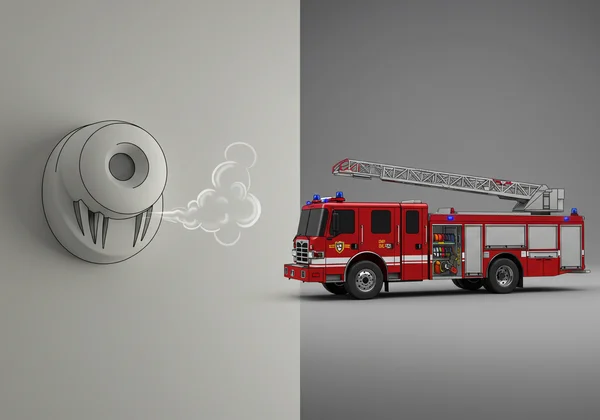
It cannot be stressed enough: the BSDS is a screening tool, not a diagnostic instrument. A screening tool is designed to identify individuals who might be at risk for a certain condition. It’s like a smoke detector—it alerts you to potential fire, but it doesn’t tell you the cause or extent of the blaze. A definitive diagnosis, on the other hand, is the fire department's full investigation.
Only a trained clinician, like a psychiatrist or psychologist, can conduct a comprehensive mental health evaluation. They will consider your BSDS results alongside your personal history, family history, and a detailed clinical interview to arrive at an accurate diagnosis. The value of your BSDS self-assessment is in giving you the confidence and data to initiate that vital conversation.
Preparing for Your First Psychiatric Appointment
Armed with your BSDS results, your next step is to schedule your first psychiatric appointment. Preparation can make this meeting significantly more effective and less intimidating. You are no longer walking in with just vague feelings; you have a starting point for discussion.
Essential Information to Gather for Your Mental Health Evaluation
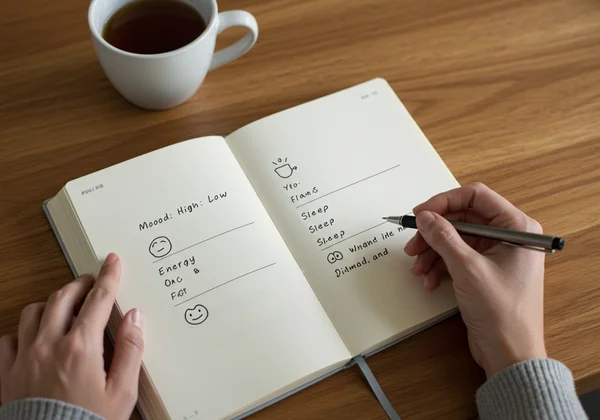
To help your doctor get the clearest possible picture, take some time to gather key information. Effective symptom tracking is invaluable. Consider creating a simple mood journal, noting your highs (mania or hypomania) and lows (depression), as well as sleep patterns, energy levels, and any significant life events that may have triggered these shifts.
Also, compile a list of any medications you are currently taking (including supplements), and be prepared to discuss your family's mental health history. This information provides critical context that a screening tool alone cannot capture.
Crafting Your Questions: What to Ask Your Mental Health Professional
This appointment is a two-way conversation. Preparing your own questions for your psychiatrist empowers you and ensures your concerns are addressed. You might consider asking:
- Based on my BSDS results and what I've shared, what are your initial thoughts?
- What is your process for diagnosing bipolar disorder?
- What is the difference between Bipolar I, Bipolar II, and other mood disorders?
- What are the potential treatment options we might explore?
Finding the Right Professional for Your Bipolar Diagnosis Journey
Finding the right clinician is key to a successful mental health journey. You can start by asking your primary care physician for a referral. Online resources from national mental health organizations can also provide directories of qualified professionals in your area. Look for psychiatrists or clinical psychologists who specialize in mood disorders for the most expert care. Remember, the goal is to find someone you feel comfortable and safe with.
What to Expect During a Professional Bipolar Diagnosis Process
Understanding the bipolar diagnosis process can demystify the experience and reduce anxiety. It is a thorough, multi-faceted process designed to ensure you receive the correct diagnosis and, subsequently, the most effective treatment.
The Initial Consultation: Your Story Matters
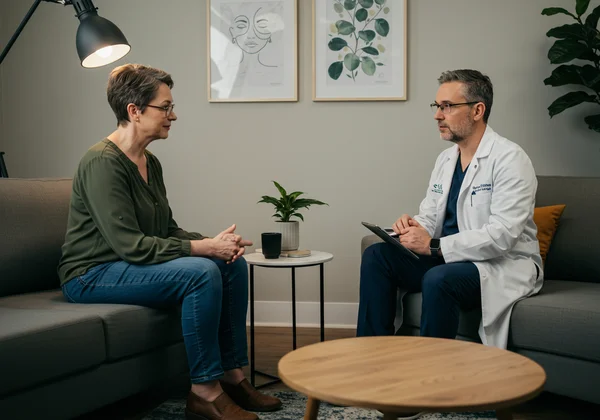
Your first meeting will largely be a detailed conversation. The clinician will want to hear your story in your own words. They will ask about the symptoms you’ve experienced, when they started, and how they’ve impacted your life, work, and relationships. This is where you can share your BSDS results as a structured summary of your experiences. The psychiatric assessment process is built on the foundation of your lived experience.
Diagnostic Criteria: Bipolar I, Bipolar II, and Other Related Conditions
Mental health professionals use the Diagnostic and Statistical Manual of Mental Disorders (DSM-5) to diagnose conditions. They will assess your symptoms against the specific criteria for Bipolar I, characterized by at least one manic episode, and Bipolar II, defined by at least one hypomanic episode and one major depressive episode. They will also rule out other conditions that can mimic bipolar disorder, ensuring your diagnosis is precise.
Beyond the Interview: Additional Diagnostic Tools & Considerations
While the clinical interview is central, your doctor may use other tools. They might ask you to complete a more detailed mood disorder questionnaire in the office or conduct a physical exam and blood tests to rule out medical conditions that could be causing your symptoms. This comprehensive approach ensures nothing is overlooked.
Navigating Emotions and Maintaining Momentum
This period of seeking a diagnosis can be emotionally taxing. It's important to be kind to yourself and recognize that taking these steps is an act of courage and self-care.
Coping with Uncertainty: Managing the Waiting Period
Between appointments, you may face periods of waiting and uncertainty. Use this time to focus on self-care. Engage in activities that ground you, whether it's exercise, mindfulness, creative pursuits, or spending time with supportive loved ones. Continue your mood journaling, as this will provide even more valuable data for your next appointment.
The Importance of Persistence in Your Mental Health Journey
Your mental health journey is just that—a journey, not a sprint. There may be twists and turns, but persistence is key. You have already taken the most difficult step by seeking answers. Continue to advocate for yourself, ask questions, and be an active partner in your own care. The clarity and stability you are working toward are worth the effort. Taking a moment to explore your BSDS results again can remind you of how far you've already come.

Your Empowering Journey to Clarity and Support
Receiving your BSDS results is not an end point; it is a powerful beginning. You have successfully transformed uncertainty into action by seeking information. This is the first step on an empowering path toward a professional diagnosis, effective treatment, and a life of greater stability and well-being.
Use your results as a bridge to a conversation with a healthcare professional. You are now equipped with the tools and knowledge to take control of your mental health. Your journey to clarity starts with understanding, and the BSDS online test is your first step.
Frequently Asked Questions About Bipolar Diagnosis After BSDS Screening
Is the BSDS a definitive diagnosis for bipolar disorder?
No, absolutely not. The Bipolar Spectrum Diagnostic Scale (BSDS) is a scientifically validated screening tool designed to help identify individuals who should seek a further professional evaluation. A definitive diagnosis can only be made by a qualified mental health professional after a comprehensive assessment.
How accurate is the BSDS test in identifying potential bipolar disorder?
The BSDS has been shown in clinical studies to be a reliable and valid tool for screening for bipolar spectrum disorders. It has good accuracy in identifying individuals whose symptoms are consistent with the condition. However, its accuracy is as a screener, and it should not be used to self-diagnose. The true measure of its value is in prompting you to see a professional.
What is the diagnostic scale for bipolar disorder that professionals use for a full diagnosis?
Professionals do not rely on a single scale. They use the criteria outlined in the DSM-5 (Diagnostic and Statistical Manual of Mental Disorders, 5th Edition). The diagnosis involves a detailed clinical interview, a review of your symptom history, and sometimes other structured clinical tools, but it is primarily a comprehensive clinical judgment, not just a score on a test.
Can a mental health professional distinguish bipolar depression from unipolar depression?
Yes, this is a critical part of the diagnostic process. Distinguishing between the two is vital because treatments can differ significantly. A clinician will ask detailed questions about your past, specifically looking for any history of elevated mood and energy that might indicate hypomanic or manic episodes, which are the hallmarks of bipolar disorder and are not present in unipolar depression.
What is the difference between Bipolar I and Bipolar II Disorder, and why does it matter?
The primary difference lies in the severity of the "highs." Bipolar I Disorder is defined by having at least one full-blown manic episode, which involves severe mood disturbances and impairment in functioning. Bipolar II Disorder is characterized by less severe highs, known as hypomania, along with at least one major depressive episode. The distinction matters because it can influence the specific course of treatment and management strategies. The first step to finding out is often a simple screening, and you can start your BSDS assessment today.