Causes of Bipolar Disorder: Genetics, Brain Changes, and Life Triggers
The causes of bipolar disorder are not explained by one event, one personality trait, or one brain chemical. Most research points to a mix of inherited vulnerability, brain and body regulation, life stress, sleep rhythm, substance exposure, and access to support. That can feel unsatisfying when you want a simple answer, but it is also useful: it means risk can be understood without blame. If you are trying to make sense of mood highs, lows, energy shifts, or family patterns, an educational bipolar spectrum self-assessment can help you organize observations before deciding whether to seek professional guidance.

What Is the Main Cause of Bipolar Disorder?
There is no single main cause of bipolar disorder that applies to every person. Bipolar disorder is usually understood as a complex mood condition shaped by biological, psychological, and environmental factors. Some factors may raise long-term risk. Others may contribute to the first noticeable episode or make future mood episodes more likely.
It helps to separate three ideas:
- A risk factor is something associated with a higher chance of developing bipolar disorder, such as a close family history.
- A trigger is something that may precede an episode in someone already vulnerable, such as severe sleep loss or major stress.
- A symptom pattern is what the person experiences, such as periods of unusually high energy, reduced need for sleep, impulsive behavior, or depression.
This distinction matters because people often look back and ask, "What caused this?" A stressful event may have happened before symptoms became obvious, but that does not mean stress alone created the condition. Likewise, having a family member with bipolar disorder can increase risk, but it does not make an outcome certain.
Genetic Causes of Bipolar Disorder
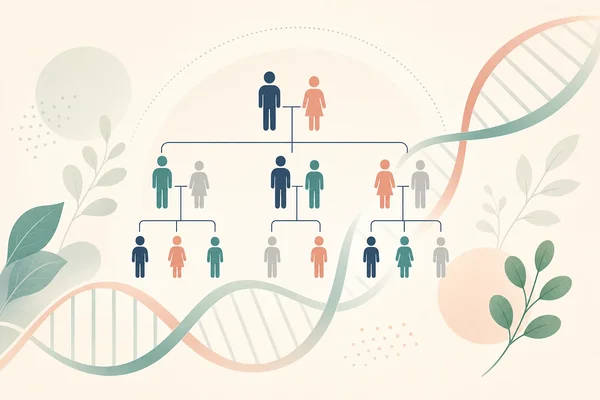
Genetics is one of the strongest known risk areas. Bipolar disorder tends to run in families, especially when a parent, sibling, or child has the condition. This does not mean there is one "bipolar gene." Research suggests that many genetic variations may each add a small amount of risk, and those variations can interact with life experience, sleep, medical factors, and stress.
For a reader, the practical point is simple: family history is important context, not a prediction. If several relatives have experienced bipolar disorder, recurrent depression, hospitalization for mood episodes, or periods of unusually elevated energy and risky behavior, it may be worth paying closer attention to your own mood patterns. A family pattern can also make it easier to describe concerns to a clinician, because it gives more background than a single moment of distress.
Genetic risk can also overlap with other mood and mental health conditions. Families rarely fit neat labels. One relative may have major depression, another may have bipolar I disorder, and another may have anxiety or substance use concerns. That is one reason professional assessment looks at timeline, episode pattern, sleep, impairment, medication history, and family history together rather than relying on one factor.
What Causes Bipolar Disorder in the Brain?
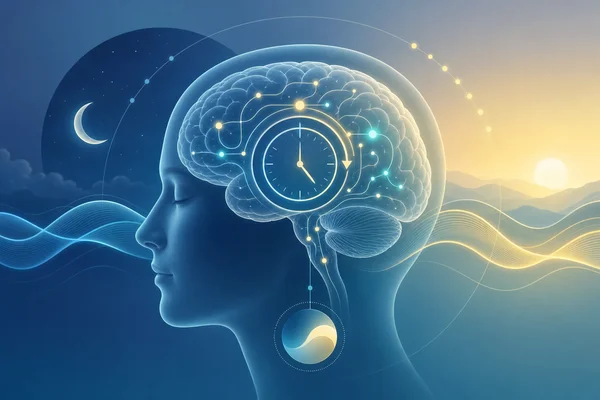
People often search for what causes bipolar disorder in the brain because mood changes can feel physical as well as emotional. Current evidence suggests that bipolar disorder involves differences in systems that regulate mood, reward, energy, sleep, attention, and stress response. Researchers study brain networks, neurotransmitters, hormones, inflammation, circadian rhythm, and how nerve cells communicate.
This does not mean a routine brain scan can explain someone's mood history. Brain findings are usually research-level patterns across groups, not a personal yes-or-no test. A person can have real symptoms even when no scan or lab result offers a simple answer.
Several brain-related themes are especially relevant:
- Mood regulation: brain circuits involved in emotion and reward may respond differently during manic, hypomanic, mixed, or depressive states.
- Sleep and circadian rhythm: disrupted sleep can both reflect mood changes and make mood instability worse.
- Stress biology: the body's stress-response systems may become more reactive in some people, especially after trauma or repeated stress.
- Medication sensitivity: some people first notice bipolar patterns after antidepressants, stimulants, substances, or sleep disruption change energy and activation.
If your goal is to understand personal patterns rather than prove a cause, a structured mood-pattern check can give you a calmer way to note changes in sleep, energy, confidence, activity, and depressive symptoms.
Environmental and Psychological Risk Factors
Environmental causes of bipolar disorder are better described as contributing conditions or triggers. They do not act the same way for everyone. Two people may go through the same stress and have very different outcomes because their biology, support systems, sleep, trauma history, and current health are different.
Common risk or trigger areas include:
- Childhood trauma or chronic adversity, which may affect stress regulation and later vulnerability.
- Major life stress, such as bereavement, relationship disruption, financial strain, work pressure, or sudden change.
- Sleep disruption, including shift work, repeated all-nighters, travel across time zones, or caring responsibilities that break normal rest.
- Alcohol or drug misuse, which can destabilize mood and complicate treatment.
- Medical and hormonal factors, including thyroid problems, neurological conditions, pregnancy or postpartum changes, and medication effects.
- Social strain, including isolation, stigma, unstable housing, discrimination, or lack of access to care.
Psychological causes of bipolar disorder should be discussed carefully. Thought patterns, coping style, and stress perception can shape how episodes unfold, but they should not be framed as personal weakness. Bipolar disorder is not caused by being dramatic, lazy, selfish, or insufficiently positive. Those labels are harmful and inaccurate. A more useful question is: which conditions make mood stability harder, and which supports make it easier?
Do Causes Differ in Bipolar 1 and Bipolar 2?
The causes of bipolar 1 disorder and the causes of bipolar 2 disorder are not usually separated into two entirely different origin stories. Both are part of the bipolar spectrum and may involve genetics, brain regulation, sleep rhythm, stress, and environmental pressure. The difference is more about episode pattern and severity.
Bipolar I disorder involves at least one manic episode. Mania can include unusually elevated or irritable mood, increased activity, less need for sleep, rapid speech, racing thoughts, risk-taking, grandiosity, or behavior that causes serious impairment. Bipolar II disorder involves hypomanic episodes and major depressive episodes, but not full mania. Hypomania can still be disruptive, even if it looks productive or socially acceptable at first.
People also search for bipolar disorder symptoms in females. The core condition is not caused by gender, and symptoms can vary widely in any person. However, menstrual cycle changes, pregnancy, postpartum periods, menopause, trauma exposure, caregiving stress, and higher rates of some co-occurring conditions may affect when symptoms are noticed or how they are interpreted. For some women, depression may be more visible than hypomania, which can delay accurate understanding.
Five common signs that deserve attention are reduced need for sleep, unusually high energy, racing thoughts, impulsive or risky behavior, and periods of depression that interfere with daily life. These signs do not prove bipolar disorder on their own. They are reasons to track patterns and talk with a qualified mental health professional when they are intense, recurrent, or impairing.
Can Bipolar Disorder Be Prevented?
There is no sure way to prevent bipolar disorder in someone who has strong underlying vulnerability. Prevention is better understood as risk reduction, early recognition, and relapse prevention. That may sound modest, but it can be powerful. Earlier support can reduce confusion, protect relationships and work, and help a person build a plan before episodes become more disruptive.
Useful protective steps may include:
- Keeping a consistent sleep and wake schedule when possible.
- Reducing alcohol or recreational drug use, especially if mood becomes unstable afterward.
- Tracking mood, energy, sleep, spending, activity, and irritability over time.
- Learning personal warning signs, such as sleeping less without fatigue or becoming unusually driven.
- Building a support plan with trusted people who can notice changes early.
- Getting professional help for trauma, anxiety, depression, substance use, or severe stress.
- Discussing family history and medication reactions with a clinician before starting or changing psychiatric medication.
For someone already living with bipolar disorder, treatment of bipolar disorder often combines medication, psychotherapy, education, sleep regularity, crisis planning, and support for daily routines. The right plan is individual. Online education can support reflection, but it should not replace care from a qualified professional.

How to Use Cause Information Without Labeling Yourself
Learning about possible causes and risk factors of bipolar disorder is most helpful when it leads to better observation, not self-blame. You do not need to decide that one event, one parent, one stressful season, or one habit "caused" everything. A more balanced approach is to collect patterns: when mood shifts happen, how sleep changes, what stressors are present, what helps, and what creates risk.
If you are unsure whether your experiences fit a bipolar spectrum pattern, you can use a confidential BSDS screening experience as one educational starting point. Treat the result as a prompt for reflection and conversation, not as a final answer. If symptoms are severe, recurring, affecting safety, or disrupting work, school, relationships, spending, sleep, or substance use, it is wise to speak with a licensed mental health professional. If there is immediate danger or thoughts of self-harm, contact local emergency services or a crisis support line right away.
FAQ
What are the main causes of bipolar?
The main risk areas are genetics, brain and body regulation, sleep rhythm, stress, trauma, substance use, and other environmental pressures. No single factor explains every case. A family history may raise risk, while stress or sleep loss may trigger an episode in someone already vulnerable.
What are 5 signs of bipolar?
Five signs that may deserve attention are reduced need for sleep, unusually high energy, racing thoughts, impulsive behavior, and depressive periods that disrupt daily life. These signs are not enough for a clinical diagnosis by themselves. The timeline, intensity, duration, and impact of episodes matter.
How can bipolar disorder be prevented?
There is no certain prevention method. Risk can sometimes be reduced through steady sleep, lower substance use, stress support, early treatment, mood tracking, and a plan for warning signs. If symptoms are already present, professional care can help reduce episode severity and recurrence.
What is bipolar mood disorder?
Bipolar mood disorder is another way people describe bipolar disorder, a mental health condition involving episodes of mood elevation and depression. Mood elevation may appear as mania or hypomania, depending on severity and impairment. Depression may involve low mood, loss of interest, fatigue, sleep changes, and difficulty functioning.
Are genetic causes of bipolar disorder always inherited from a parent?
Not always. Family history is an important risk factor, but genetics is complex. A person may have bipolar disorder without a known family history, and a person with a family history may never develop the condition. Genes influence vulnerability rather than determining a fixed outcome.
Is bipolar disorder curable?
Bipolar disorder is generally managed as a long-term condition. Many people improve with treatment, steady routines, support, and early attention to warning signs. The goal is often mood stability, lower episode risk, safer decisions, and better quality of life over time.
Is manic depression the same as bipolar disorder?
Manic depression is an older term for what is now commonly called bipolar disorder. The newer term better reflects the range of manic, hypomanic, depressive, and mixed mood patterns that can occur across the bipolar spectrum.