Early Bipolar Signs: Beyond Mood Swings & BSDS Insights
It’s easy to dismiss periods of high energy or deep sadness as just "a phase" or "a bad week." We often associate bipolar disorder with dramatic, Hollywood-style mood swings, overlooking the more subtle patterns that can be the true early indicators. But what if those shifts in your mood, energy, and thinking are part of a larger picture? What are the signs of bipolar disorder? This guide will help you look beyond the stereotypes and uncover the often-missed early signs. Understanding these indicators is the first empowering step toward clarity and self-awareness.
Recognizing these signs can feel overwhelming, but you don't have to decipher them alone. A structured self-assessment like the Bipolar Spectrum Diagnostic Scale (BSDS) can provide a valuable framework for your observations. If you feel ready to explore your symptoms in a private and secure way, you can get some clarity with a scientifically validated screening tool.
Recognizing the Subtle Bipolar Symptoms
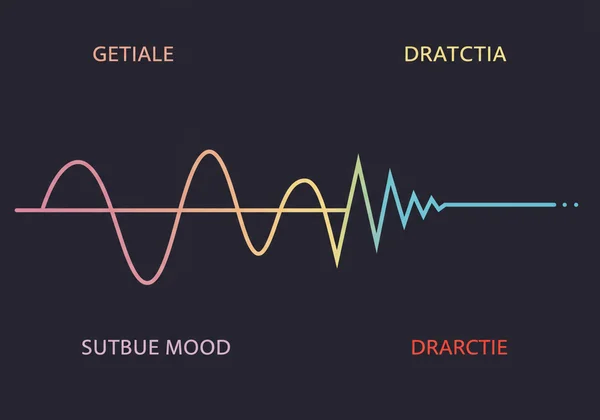
The early bipolar warning signs are often not extreme episodes of mania or depression but gentler shifts that can be easily mistaken for personality quirks or reactions to stress. Understanding these nuances is crucial for early recognition. These symptoms can disrupt your life long before they become a full-blown crisis, making early awareness incredibly important.
Understanding Shifts in Energy and Activity Levels
One of the most telling signs involves significant changes in your physical and mental energy that are out of character for you. This isn't just about feeling tired after a long day or energetic after a good night's sleep. In the context of bipolar spectrum disorder, these shifts are more pronounced and sustained.
During a hypomanic or manic phase, you might feel an exhilarating surge of energy. You may need very little sleep yet feel completely rested and wired. You might suddenly take on multiple large projects at once, feeling invincible and unusually productive. Conversely, during a depressive phase, you may experience a crushing lack of energy, where even simple tasks like getting out of bed feel monumental. This isn't laziness; it's a profound physical and mental exhaustion.
Altered Sleep Patterns as a Key Bipolar Warning Sign
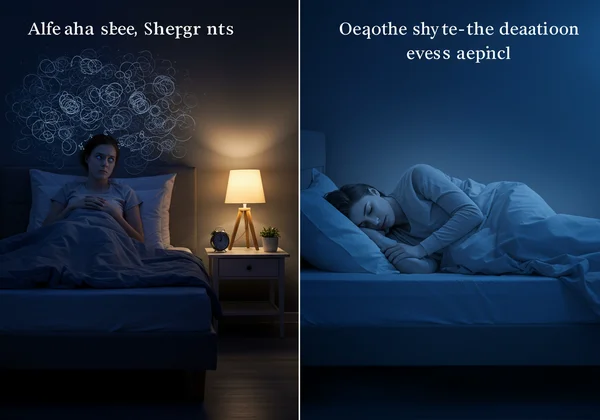
Sleep disturbances are a cornerstone symptom and often a key bipolar warning sign. These changes go beyond a single restless night. During an elevated mood period (hypomania/mania), you might find yourself sleeping only three hours a night and waking up feeling refreshed and ready to go. Your mind might be racing too much to allow for rest.
In contrast, depressive episodes often bring hypersomnia, where you sleep for 10, 12, or even more hours and still wake up feeling unrefreshed and exhausted. Or, you might suffer from insomnia, unable to sleep despite being bone-tired. A consistent pattern of drastic changes in your sleep needs is a significant indicator that something more than daily stress is at play.
Changes in Thought Processes and Cognition
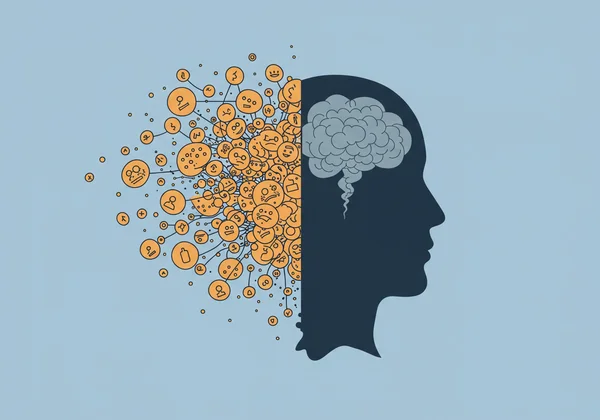
Bipolar disorder doesn't just affect your mood; it significantly impacts how you think. During periods of elevated mood, you might experience racing thoughts, where ideas fly through your mind so quickly you can't keep up with them. This can manifest as rapid, pressured speech that is difficult for others to follow. You might also feel more easily distracted or experience an inflated sense of self-esteem or grandiosity.
During depressive periods, your cognitive function can slow down dramatically. You may struggle with concentration, memory, and decision-making. This "brain fog" can make work or school feel impossible, and you might find yourself becoming intensely indecisive over small matters. These cognitive changes in thought processes are not a reflection of your intelligence but a symptom of the underlying mood state.
When Mood Shifts Are More Than Just "Mood Swings"
Everyone experiences mood shifts, but the emotional fluctuations in bipolar disorder are different in their intensity, duration, and impact on daily life. They are not just fleeting feelings but distinct episodes that represent a departure from your usual self. A structured mood disorder questionnaire can help identify if these shifts fit a clinical pattern.
Differentiating Normal Mood Fluctuations from Bipolar Episodes
A bad mood that lasts an afternoon is not a depressive episode. A day where you feel exceptionally happy and productive is not a manic episode. The key difference is that bipolar episodes are sustained periods of altered mood and behavior that last for several days or even weeks at a time.
These episodes create noticeable changes in functioning, observable by others, marking a distinct break from your baseline personality and mood. Learning to recognize the line between normal mood fluctuations and a sustained episode is a critical skill for managing the condition.
Unpacking Irritability and Agitation in Bipolar Disorder
Bipolar's 'highs' aren't always euphoric. In fact, intense irritability and agitation are extremely common during manic and hypomanic episodes. You might find yourself having a very short fuse, snapping at loved ones, or feeling overwhelmingly agitated and restless.
This irritable energy is often confusing for both the individual and those around them, as it doesn't fit the stereotype of a "happy" high. If you find yourself experiencing periods of intense, explosive anger or agitation that feel uncontrollable and out of character, it could be a sign of an underlying mood episode.
Impulsivity and Risky Behavior: A Less Obvious Indicator
A hallmark of manic or hypomanic episodes is a marked increase in impulsivity and risky behavior. This happens because your judgment becomes impaired, and you may not fully consider the consequences of your actions. This isn't just a character flaw; it's a direct symptom of the episode.
Examples include going on large spending sprees you can't afford, engaging in reckless driving, making impulsive decisions about your career or relationships, or increasing substance use. This behavior can have serious real-world consequences and is a clear sign that you need support.
Taking the First Step: How BSDS Can Help Identify Early Signs
If these signs resonate, it's natural to feel concerned. But know that understanding is your first step toward empowerment. Tools like the Bipolar Spectrum Diagnostic Scale (BSDS) are designed to help you organize your experiences and identify patterns that may warrant a professional conversation.
The Value of Self-Assessment Tools Like the BSDS
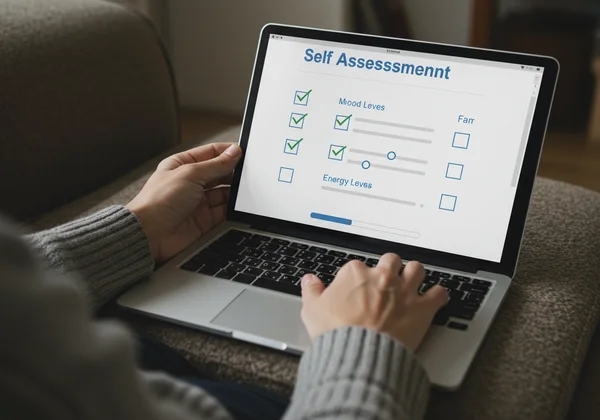
The BSDS is not a diagnostic tool, but it is a powerful, scientifically validated screener. It translates your experiences into a structured format that can help you see patterns more clearly. Instead of just feeling "off," you can begin to identify specific symptoms related to energy, mood, and thought processes. Using a private and reliable online bsds selfassessment can be a less intimidating first step than scheduling a doctor's appointment.
This process provides you with concrete information to bring to a healthcare professional, making that future conversation more productive and focused. If you're wondering whether your symptoms align with those on the bipolar spectrum, you can take a free bipolar test to gain initial insights. Completing a free BSDS screening can be an empowering action toward getting the help you deserve.
What to Do After Recognizing Potential Early Signs
After using a tool like the BSDS, the most important next step is to seek professional consultation. Share your results with a qualified healthcare provider, such as a psychiatrist, psychologist, or family doctor. They are the only ones who can provide an accurate diagnosis after a comprehensive evaluation.
Remember, a screening result is a starting point, not a conclusion. It is a tool to facilitate a conversation and guide you toward the right support. Using a tool like the BSDS can help you organize your thoughts and feel more prepared for that important discussion.
Empowering Yourself with Knowledge and Action
Recognizing the early signs of bipolar disorder is about looking beyond the stereotype of mood swings and paying attention to the more subtle shifts in your energy, sleep, and thinking. These patterns tell a story, and understanding that story is the first step toward managing your mental health effectively. You are not defined by your symptoms, and with the right knowledge and support, you can navigate your path forward.
If this article has shed light on your own experiences, don't stop here. Take the next brave step. Use your new understanding to take action. Start Your BSDS Assessment today to get a confidential, science-backed overview of your symptoms. It's a simple, private, and powerful way to begin your journey toward clarity and well-being.
Frequently Asked Questions About Early Bipolar Symptoms & BSDS
What are the signs of bipolar disorder?
The signs of bipolar disorder go beyond mood swings. They include distinct episodes of elevated mood (mania/hypomania) and depression. Key indicators include significant shifts in energy levels, altered sleep patterns (either much less or much more sleep), changes in thought processes like racing thoughts or difficulty concentrating, increased irritability, and impulsive or risky behavior.
How accurate is the BSDS test for early bipolar symptoms?
The Bipolar Spectrum Diagnostic Scale (BSDS) is a scientifically validated and reliable screening tool designed to identify symptoms associated with the bipolar spectrum. While it is highly sensitive in detecting potential signs, it is not a diagnostic test. Its accuracy lies in its ability to effectively flag key symptoms, providing a strong basis for a more detailed conversation with a healthcare professional.
Is the BSDS a definitive diagnosis for bipolar disorder?
No, absolutely not. The BSDS is a screening tool, not a diagnostic instrument. A definitive diagnosis for bipolar disorder can only be made by a qualified healthcare professional after a comprehensive clinical evaluation. The purpose of the BSDS is to serve as a valuable and informative first step, helping you organize your symptoms and empowering you to seek professional advice. You can explore the BSDS tool to see how it can help you prepare for that conversation.