What Causes Bipolar Disorder? A Clear Guide to Risk Factors and Triggers
When people search for what causes bipolar disorder, they are often looking for one simple explanation: a gene, a stressful event, a brain chemical, or a personality trait. The honest answer is more layered. Bipolar disorder usually reflects a mix of inherited vulnerability, brain and body factors, life stress, sleep disruption, substances, and other pressures that may shape when mood episodes appear or worsen. This guide explains the difference between causes, risk factors, and triggers in plain language. If you are sorting through mood patterns for yourself or someone close to you, a gentle bipolar spectrum screening context can help organize observations before a conversation with a qualified professional.
The Short Answer: Bipolar Causes Are Usually Multifactorial
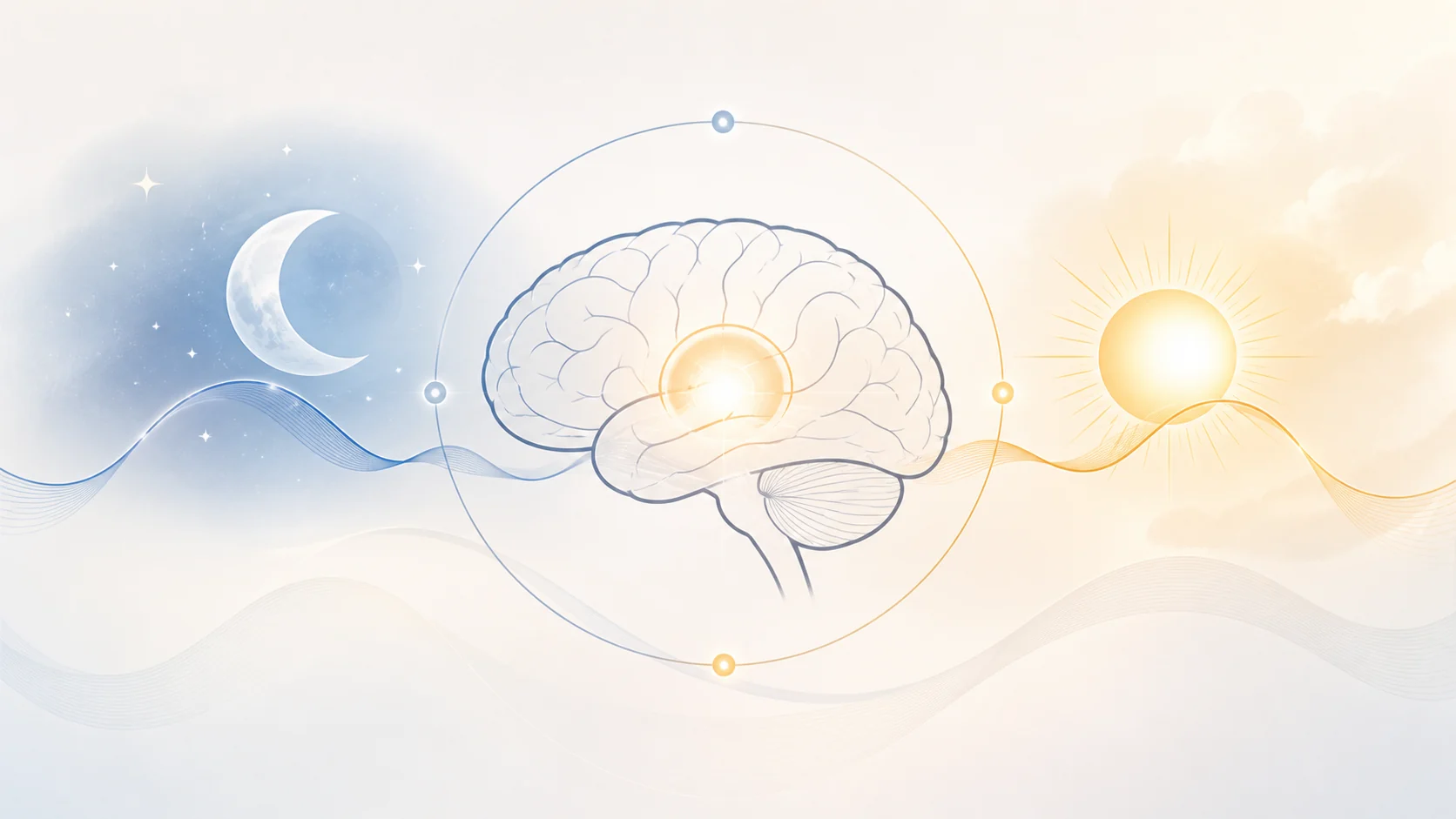
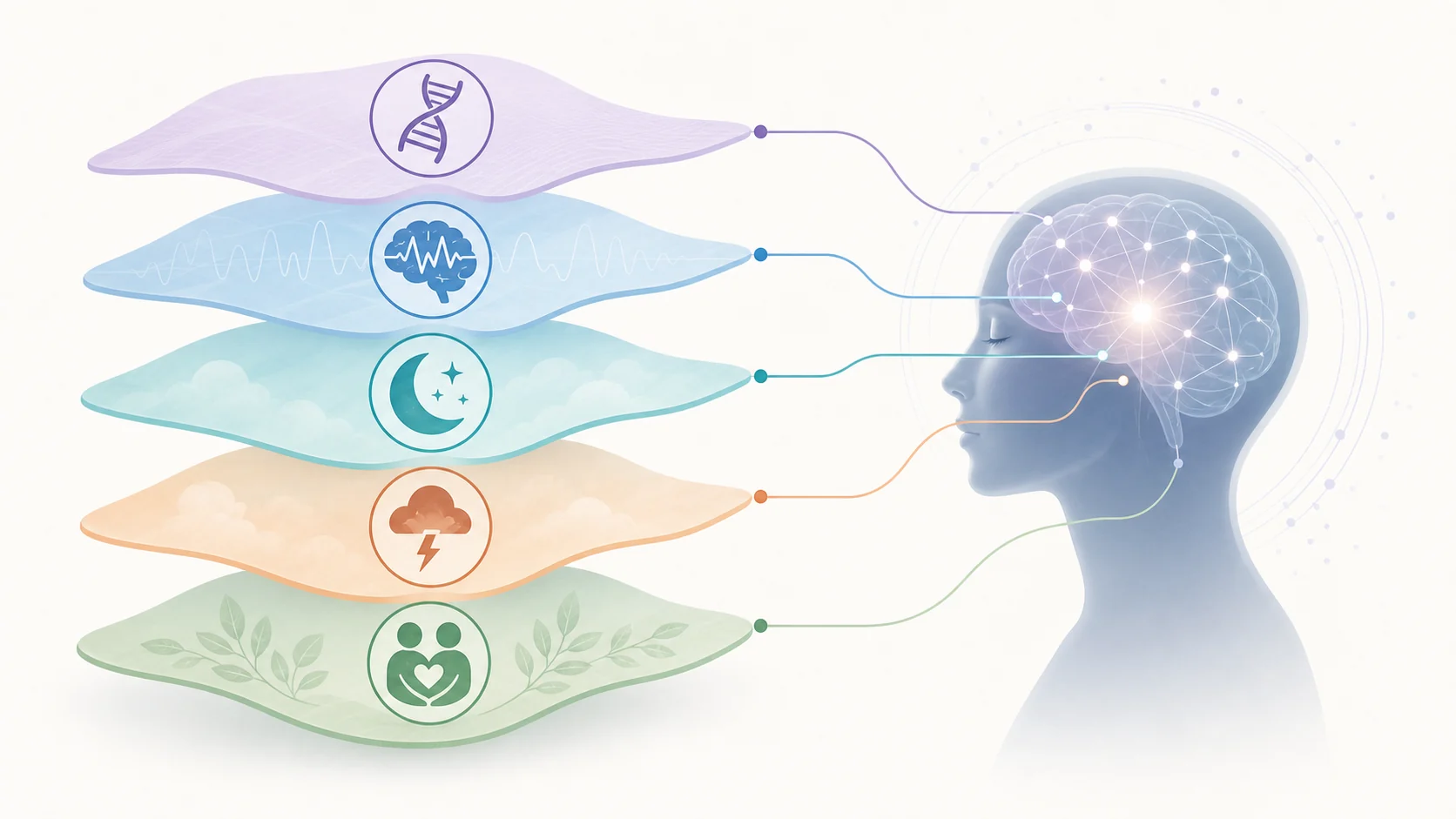
There is no single known cause that explains every case of bipolar disorder. Research points to a multifactorial model, meaning several influences may interact over time. A person may inherit a higher sensitivity to mood rhythm changes, have brain systems that regulate reward and sleep in a slightly different way, and then experience life events or sleep disruption that make symptoms more visible.
That does not mean bipolar disorder is caused by weakness, poor attitude, or a lack of self-control. It also does not mean everyone with family history, trauma, or stress will develop bipolar disorder. Risk is not destiny. It is more useful to think of bipolar disorder as a condition in which mood, energy, sleep, activity, and thinking can shift in episodes that are stronger and more disruptive than everyday ups and downs.
Cause, Risk Factor, and Trigger Are Not the Same
A cause is an underlying contributor to vulnerability. A risk factor is something associated with a higher chance of developing the condition, such as having a close relative with bipolar disorder. A trigger is something that may set off or worsen an episode in someone who is already vulnerable, such as major sleep loss, intense stress, substance use, or stopping prescribed medication without medical guidance.
This distinction matters because many search terms mix these ideas together. Questions like "what causes bipolar episodes," "what causes bipolar disorder to get worse," and "what causes bipolar mood swings" are often really asking about triggers and episode patterns, not the root origin of the condition.

Genetics and Family History
Family history is one of the best established risk factors. Bipolar disorder often runs in families, and people with a parent or sibling who has bipolar disorder have a higher chance of developing it than people without that family pattern. Still, there is no single "bipolar gene." Many genes appear to contribute small pieces of vulnerability, and their effects can be shaped by environment, development, stress exposure, and health history.
This is why two relatives can share family risk but have very different lives. One person may develop bipolar I, another may have bipolar II, another may have depression or anxiety, and another may never develop a mood condition. Genes can load the starting conditions, but they do not write the whole story.
For users asking what causes bipolar disorder in women or men, genetics is still part of the answer, but sex alone is not a simple cause. Hormonal changes, pregnancy and postpartum periods, sleep disruption, trauma exposure, and patterns of care-seeking can influence how symptoms appear or when they are noticed. The more useful question is not "Which gender causes it?" but "What risk factors and life contexts might be shaping this person's mood episodes?"
Brain Function, Mood Regulation, and Sleep-Wake Rhythms
Another major part of the answer involves the brain systems that help regulate mood, reward, energy, sleep, attention, and impulse control. Studies have found differences in brain structure and function among some people with bipolar disorder, although those differences are not used as a stand-alone personal answer for an individual. In everyday language, bipolar disorder involves mood-regulation systems becoming unusually sensitive to shifts in sleep, stress, reward, and activity.
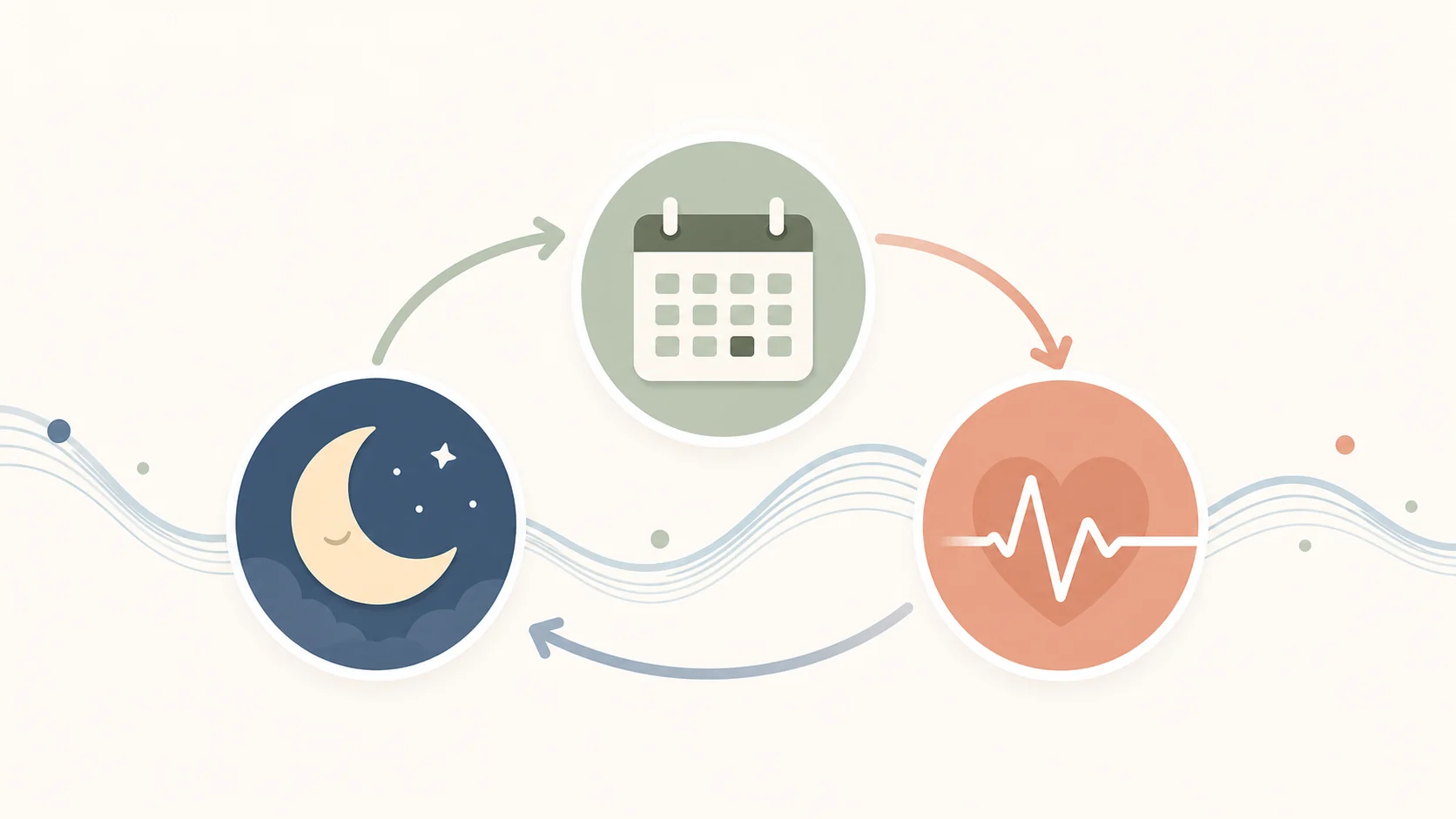
Sleep is especially important. Many people notice that changes in sleep come before mood changes. Losing sleep may happen before mania or hypomania, while oversleeping or disrupted sleep may appear during depression. Sleep loss does not "create" bipolar disorder in everyone, but in someone with vulnerability, it can be a powerful episode trigger.
Brain chemistry is also part of the discussion, but it is easy to oversimplify. Bipolar disorder is not just "too much" or "too little" of one chemical. Mood regulation involves networks, timing, hormones, neurotransmitters, inflammation research, medication response, and individual biology. A balanced article should avoid reducing the condition to one chemical imbalance claim.
Stress, Trauma, and Major Life Changes
Stressful events can contribute to the timing and course of bipolar symptoms. Examples include bereavement, relationship disruption, job loss, academic pressure, financial strain, major conflict, illness, or intense caregiving demands. Trauma, especially earlier in life, may increase vulnerability for many mental health conditions, including mood instability.
Stress does not mean a person caused their own symptoms. It means that the nervous system can be pushed beyond its usual capacity, especially when stress combines with poor sleep, isolation, substance use, or a lack of steady support. For some people, the first clear episode appears after a major life event. For others, stress worsens an already recognized pattern.
One practical way to think about stress is to track timing. Did a mood shift follow weeks of reduced sleep? Did it appear after a major deadline, loss, conflict, travel, or change in routine? Patterns like these do not prove what is happening, but they can make a conversation with a clinician more concrete.
Substance Use, Medication Changes, and Medical Conditions
Alcohol, cannabis, stimulants, sedatives, and other substances can worsen mood instability or complicate the picture. Some substances may disrupt sleep, increase impulsivity, intensify anxiety, or make it harder to recognize early warning signs. Substance use can also overlap with bipolar symptoms, which is one reason professional evaluation often looks at timing, dose, sleep, and the full health picture.
Medication changes can matter too. Stopping a prescribed mood medication suddenly, changing doses without guidance, or using antidepressants without appropriate monitoring in someone with bipolar vulnerability may raise the risk of mood destabilization. This is a medical conversation, not a self-adjustment project. Medication questions should be handled with a qualified prescriber who understands the person's full history.
Some physical health conditions can also resemble or worsen mood symptoms. Thyroid problems, neurological conditions, sleep disorders, hormonal changes, and medication side effects may all need to be considered. That is one reason a careful evaluation often includes both mental health history and physical health screening.
What Causes Bipolar Episodes to Get Worse?
People often search for "what causes bipolar disorder to get worse" when they are seeing a change in intensity, frequency, or recovery time. In many cases, worsening is less about one new cause and more about accumulating pressures.
Common episode-worsening factors can include:
- Irregular sleep or repeated sleep loss
- High stress without enough recovery time
- Alcohol or drug use
- Stopping or changing prescribed medication without guidance
- Seasonal changes for some people
- Conflict, isolation, or unstable daily rhythms
- Co-occurring anxiety, ADHD, trauma symptoms, eating problems, or substance use
- Missing early warning signs until symptoms are already intense
For some people, mania, hypomania, anger, irritability, paranoia, or psychosis-like experiences may appear during more severe episodes. These experiences should be taken seriously, especially if there is risk of harm, inability to sleep for long periods, major impulsive behavior, or thoughts of self-harm. In urgent situations, contacting local emergency services or a crisis line is appropriate.

What Causes Bipolar 1, Bipolar 2, and Bipolar Swings?
Bipolar I, bipolar II, cyclothymic patterns, and other bipolar-related presentations share many risk factors, but the episode pattern differs. Bipolar I involves full mania. Bipolar II involves hypomania and depressive episodes, with hypomania being less intense than mania but still clinically meaningful. Cyclothymic patterns involve repeated mood shifts that are not as intense or long-lasting as full mood episodes.
When people ask what causes bipolar 1 or what causes bipolar 2 disorder, the answer is not usually a separate single cause for each type. Genetics, brain rhythm sensitivity, stress, sleep disruption, and substances may all be relevant. The difference is often in the pattern, severity, duration, and effect on daily functioning.
"Bipolar swings" can also mean different things. Everyday mood shifts, stress reactions, personality patterns, trauma responses, ADHD, substance effects, thyroid issues, and depression can all create changes in mood or energy. Bipolar mood episodes tend to involve a broader pattern across sleep, activity, judgment, speech, energy, and functioning. That pattern over time is what matters.
The phrase "bipolar schizophrenia" is not a standard explanation for causes. Bipolar disorder and schizophrenia are different conditions, though severe mood episodes can sometimes include psychosis-like symptoms. If someone is experiencing hallucinations, delusional beliefs, extreme agitation, or severe confusion, professional help is important.
A Practical Way to Reflect on Possible Patterns
If you are trying to understand what causes bipolar symptoms in your own life, avoid jumping straight to a label. A calmer approach is to collect observations. Write down sleep length, energy level, mood, irritability, spending or risk-taking changes, substance use, stress events, menstrual or hormonal changes if relevant, medication changes, and how long each shift lasts.
Then look for repeated patterns. Do high-energy periods follow sleep loss? Do depressive periods follow intense projects or conflict? Do symptoms get worse with alcohol or irregular routines? Does a close relative have a history of mood episodes? These questions are not a replacement for care, but they can make care easier to discuss.
This is also where an educational BSDS self-reflection tool can be useful. The Bipolar Spectrum Diagnostic Scale is designed as a screening-style questionnaire, not a final medical answer. Used thoughtfully, it can help someone put mood and energy patterns into words, especially when they are preparing for a professional conversation.
When to Seek More Support
Consider reaching out to a mental health professional if mood changes are intense, last for days or weeks, affect work or relationships, involve major sleep changes, lead to risky behavior, or include thoughts of self-harm. It is also wise to seek support if friends or family are noticing changes that you do not fully see in the moment.
If there is immediate danger, thoughts of self-harm, inability to stay safe, or severe confusion, seek urgent local help. In the United States, calling or texting 988 can connect people with the Suicide and Crisis Lifeline. Outside the United States, use your local emergency number or crisis service.
For non-urgent reflection, prepare a short timeline before an appointment. Include age when symptoms first appeared, family history, sleep changes, substances, medications, major stressors, and examples of how mood changes affected daily life. Specific examples are often more useful than trying to find the perfect label.
Using Causes Knowledge Without Blame
Understanding what causes bipolar disorder is most helpful when it reduces shame and supports practical next steps. A person did not choose their genetic background, nervous system sensitivity, early life experiences, or every stressor that shaped them. At the same time, learning personal triggers can make prevention and support more realistic.
The strongest next step is often modest: protect sleep, reduce substances that destabilize mood, notice early warning signs, share patterns with trusted support, and talk with a qualified professional when symptoms are disruptive. For people still organizing their observations, an educational bipolar screening starting point can help turn scattered memories into a clearer pattern without treating the result as a final answer.
FAQ
What is the main cause of bipolar disorder?
There is no single known main cause. The best-supported answer is a combination of genetic vulnerability, brain and body factors, stress exposure, sleep rhythm disruption, substances, medical factors, and individual life context.
Can stress alone cause bipolar disorder?
Stress alone does not explain every case. However, major or repeated stress can contribute to the timing of episodes or make symptoms worse in someone who is already vulnerable.
What causes bipolar disorder in the brain?
Research suggests that mood, reward, sleep, and energy regulation systems may function differently in some people with bipolar disorder. These differences are complex and cannot be reduced to one brain chemical or one scan result.
What causes bipolar disorder to get worse?
Common worsening factors include sleep loss, intense stress, alcohol or drug use, stopping medication without medical guidance, co-occurring conditions, and missing early warning signs. A professional can help sort out which factors are most relevant.
What causes bipolar 2 disorder?
Bipolar II appears to share many risk factors with other bipolar-related conditions, including family history, brain rhythm sensitivity, stress, and sleep disruption. The difference is the episode pattern: depressive episodes and hypomania rather than full mania.
Can bipolar disorder be prevented?
There is no sure way to prevent it. But early support, steady sleep, reduced substance use, treatment when needed, and awareness of warning signs may help reduce worsening and support better day-to-day functioning.
Is an online screening enough to understand the cause?
No. An online screening can help organize patterns and questions, but it cannot explain the full cause of a person's symptoms. Personal history, family history, medical factors, substances, sleep, and professional evaluation all matter.