Why the BSDS Uses a Story, Not a Checklist
Many bipolar screening tools feel like symptom checklists. The BSDS often feels different the moment you start reading it. Instead of asking only isolated yes-or-no questions, it presents a short story that describes a pattern of mood, energy, confidence, sleep, and behavior changes.
That format can feel strangely personal. Some readers think, "This sounds familiar," even before they know what score they might get. That reaction is part of the design. The tool is trying to help people notice a pattern, not only count separate symptoms.
A reflective bipolar spectrum screener can be useful when someone has struggled to put shifting experiences into words. It can also feel confusing if you expect a standard checklist. Understanding why the format is written this way makes the result easier to interpret.
Disclaimer: This article is for educational purposes only and should not replace professional medical advice, diagnosis, or treatment. The BSDS is a screening tool, not a diagnosis.

Why the BSDS Feels Different
Why the story can feel familiar
The original BSDS validation paper described the scale as a narrative story that patients rate on a sentence-by-sentence basis rather than as a simple symptom list (PubMed BSDS validation study). That matters because many people do not experience bipolar-spectrum changes as neat, separate boxes. They experience them as a recognizable stretch of life that changes mood, sleep, motivation, and judgment all at once.
A checklist can still be useful. But a story can capture something a checklist sometimes misses: the feeling that several changes belong together. For some readers, that is the first time their experience stops feeling random.
That is one reason an online BSDS assessment may resonate even before the score appears. The narrative format gives readers a chance to recognize sequence, intensity, and contrast between one state and another.
Why bipolar-spectrum patterns can look subtle at first
Not every bipolar-spectrum pattern looks dramatic from the outside. Some people do not notice the early pattern because the changes feel productive, social, or simply "different" instead of clearly alarming. NIMH notes that people with bipolar II disorder may seek help only for depressive episodes and that hypomanic episodes may go unnoticed (NIMH bipolar disorder publication).
That helps explain why a narrative format can be useful. It gives readers a fuller pattern to compare against their own history. A single item about confidence or sleep may not feel meaningful by itself. A story that connects confidence, reduced sleep, racing thoughts, irritability, or impulsive choices across one pattern can be easier to recognize.
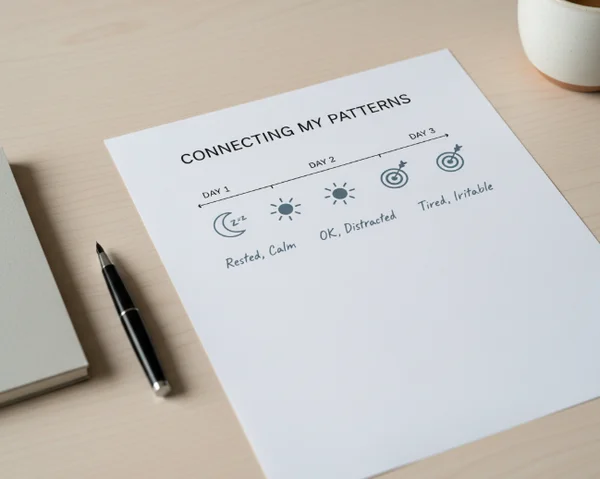
Why Time Pattern Matters in Bipolar Screening
Why clinicians care about weeks, episodes, and functional change
The BSDS is not only about whether a symptom ever happened. It is about whether certain changes cluster into a recognizable pattern over time. NIMH explains that bipolar disorder is diagnosed by looking at the severity, length, and frequency of symptoms and experiences over a person's lifetime, along with family history.
That is a big reason the BSDS is written as a story. It nudges readers to think in terms of course and pattern rather than isolated moments. One energetic weekend, one sleepless night, or one impulsive purchase does not tell the full story. Repeating shifts in mood, energy, sleep, and functioning matter more.
This is also why the site works best as a first-step reflection tool. A bipolar pattern self-check can help organize what has been happening, but it cannot decide on its own what caused the pattern or whether it meets diagnostic criteria.
Why the BSDS is still a screen, not a diagnosis
The same validation paper that made the BSDS useful also shows its limits. In the original study, sensitivity was 0.76 and specificity was 0.85, and specificity rose to 0.93 with an amended threshold. Those are meaningful screening numbers, but they are not the same as clinical certainty.
That is why the result should be treated as information, not proof. A screen can tell you that a bipolar-spectrum pattern deserves a closer look. It cannot rule out depression, trauma, anxiety, substance effects, sleep disruption, or another explanation without a fuller evaluation.
The safest reading is simple: the BSDS can help you notice a pattern worth discussing. It cannot confirm bipolar disorder by itself.
How to Use a BSDS Result Safely
What to write down if the story feels familiar
If the story feels familiar, the most useful next step is not to memorize the score. It is to write down what parts felt familiar and when they happened. Note whether sleep changed, whether energy or confidence rose quickly, whether irritability increased, whether spending or risk-taking changed, and whether the shift affected work, relationships, or safety.
Those notes do two things. First, they help you see whether the pattern happened once or has repeated over time. Second, they make it easier to talk with a mental health professional or other healthcare provider in a concrete way.
A good screening article should lower confusion, not push people into self-labeling. The point of the narrative is to create language for a conversation, not to end the conversation.
When to seek professional or urgent help
Talk to a mental health professional if mood and energy shifts keep returning. That is especially important when sleep, work, or relationships start suffering. Seek immediate help if symptoms become severe, if your behavior feels unsafe, or if you are thinking about harming yourself or someone else. NIMH says people in immediate distress can call or text 988, and in life-threatening situations should call 911 (NIMH bipolar disorder topic page).
That guidance matters because screening tools are built for reflection and early recognition. They are not built for emergencies, crisis intervention, or formal diagnosis.
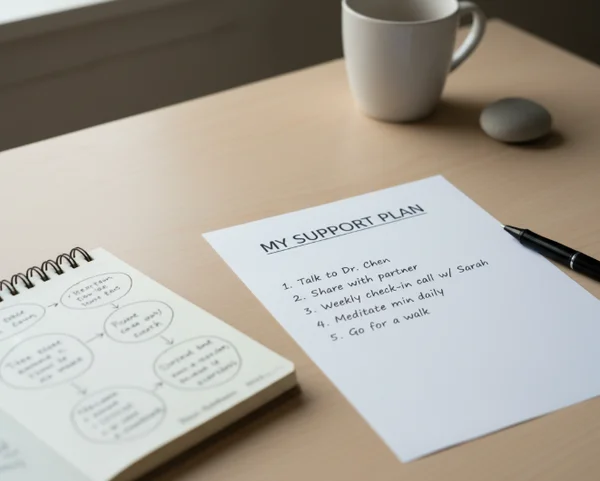
What to Remember After Finishing the BSDS Story
The BSDS uses a story because bipolar-spectrum patterns are often experienced as a sequence, not as isolated boxes. That design can help readers recognize combinations of change that felt hard to describe before.
That does not make the result final. It makes the result more discussable. A helpful screen gives shape to a pattern, then points you toward better follow-up.
If the BSDS story feels familiar, use that familiarity carefully. Compare it with your own timeline, then bring those notes into a professional conversation. Let a qualified professional help sort out what it may mean.